When I first started working in solar sales, I thought success was all about technical knowledge and a positive attitude. But with time, I discovered the invisible factors—the details that rarely come up in formal training or glossy presentations. Before stepping out for a solar visit, there are pieces of information that, if checked in advance, save time, avoid awkward surprises, and even set the stage for a smooth sale. Today, I want to share what I wish someone had told me earlier.
Some details change everything about a solar visit, but hardly anyone tells you to look for them.
1. The true roof condition: beyond just “age”
Everyone asks about roof age, but if there’s one thing I’ve learned, the real story is in the roof’s actual condition—not just its paperwork age. Once, I arrived to find a roof technically “only eight years old” but covered in moss, with a section sagging over the garage. Age is just a number. If a roof is brittle, patched, or burdened by rot, a solar install can quickly turn from opportunity to liability.
I now check for:
- Recent repairs or visible patches
- Moss growth and water pooling
- Sagging or uneven surfaces
- Signs of rot or soft areas—often visible from ground level with binoculars
Sometimes, tools such as satellite imagery or pre-qualification platforms like Sunate reveal more than photos on listing sites. These checks are as vital as any permit or utility bill.
An old roof can still be strong; a 3-year-old roof with damage won’t last another 3.
If the surface looks uneven or if there have been insurance claims in the past, I use that info to ask detailed questions before the visit. Roof replacement can turn a green-light lead into a yellow one—knowing this beforehand helps qualify leads more accurately.
2. Electrical system readiness: does the panel “match”?
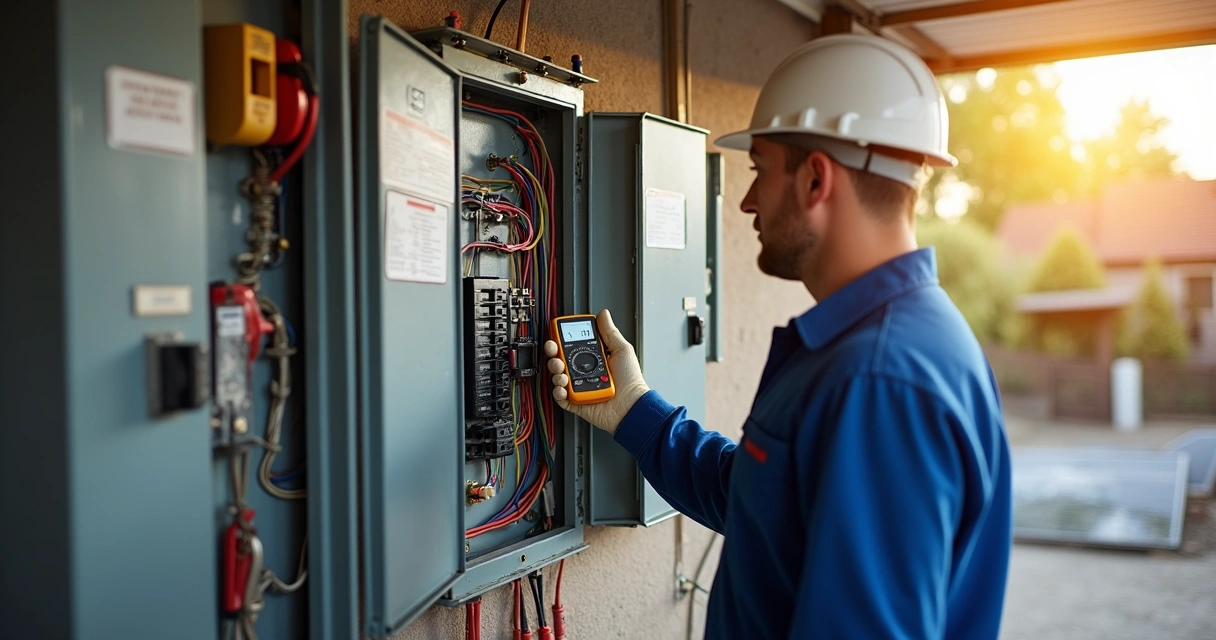
I remember visiting a century-old house in Rhode Island where the sales lead was enthusiastic, but after lifting the electrical panel’s cover, I saw only 60 amps of service—the old, fused kind. The reality? A major panel upgrade would be needed before any solar install.
Now, before I even step inside, I try to determine:
- Main panel amperage (often 100A or 200A needed for residential solar)
- Space for additional breakers
- Type of service (breaker panel vs. old fuse box)
- Location of panel (inside garage, basement, etc.)—for access and weatherproofing
This kind of detail is rarely in real estate listings, but a quick conversation with the homeowner or a digital records search (sometimes available through tools like Sunate) can tip me off. The U.S. Environmental Protection Agency points out that infrastructure access and condition are big factors for technical success. If I know ahead of time that upgrade costs may come into play, I can adjust expectations—saving everyone time and making the sales process smoother.
3. Shade sources you might not suspect
Sometimes, a roof looks sunny on Google Maps. But I’ve found shade can come from all directions, and not all are obvious. Neighbors’ trees, newly built second stories, or even planned construction (like an upcoming apartment building next door) completely change the solar equation.
I always ask:
- Are any trees scheduled for removal or planting?
- Is there known new construction in the neighborhood?
- Are there seasonal shading issues (e.g., deciduous trees in summer vs. bare in winter)?
- Has the building next door requested a permit for a second story?
I’ll pull municipal records or check local planning boards when in doubt. Trees that are “no problem now” may become a shade nightmare in a year or two. These checks are about the long run, not just the install day.
4. Actual homeowner motivation and authority
This one can be tricky. Sometimes, I’ve shown up and found out the person I’m meeting is the owner’s parent, a tenant, or just “helping manage the house.” Suddenly, critical decisions stall. Knowing who really signs the checks changes everything. In my experience, addresses where the tax bill goes to someone else or where the listed owner’s name doesn’t match the contact can mean delays.
Rather than relying only on first contact, I now check:
- Property records for the owner’s name and mailing address
- Who is present for the meeting (is the spouse, co-owner, or HOA board attending?)
- If there’s a landlord-tenant situation, who has authority to approve work?
Sunate can pre-check these points by tying property info to contact details, making sure I don’t waste a site visit on the wrong audience. Sometimes, a gentle pre-qualifying call saves everyone hours and confusion.
You need the decision-maker at the table or nothing moves forward.
5. Roof geometry and usable space
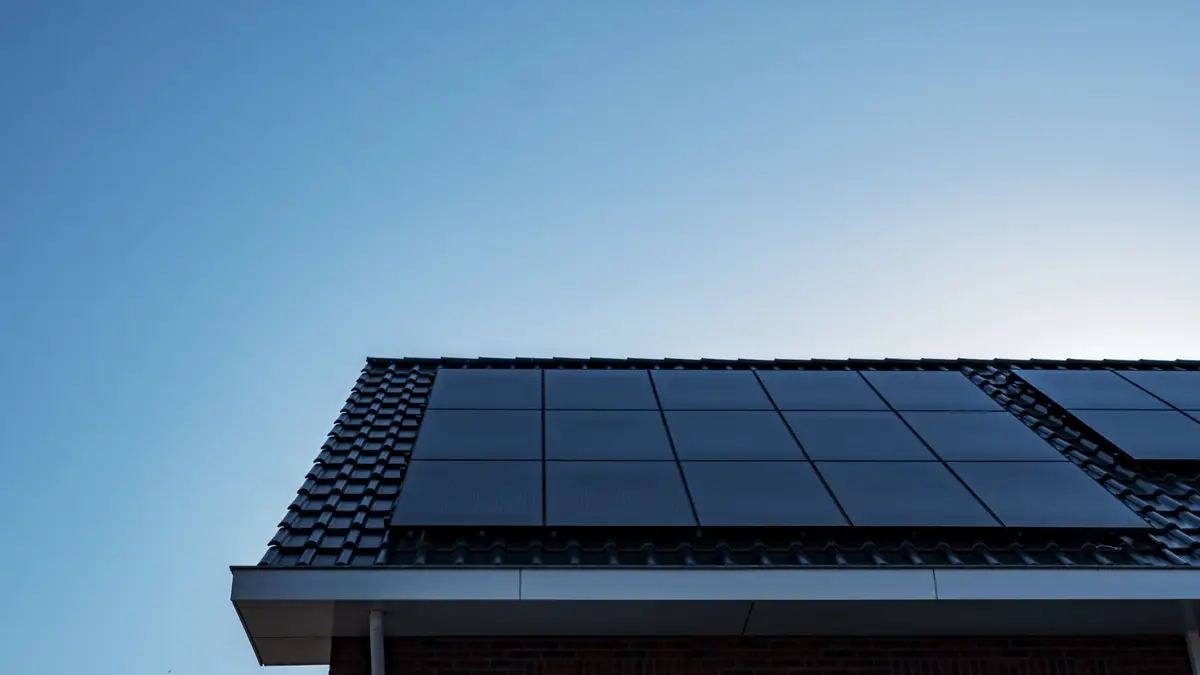
The last piece even experienced reps often overlook: a “big” roof isn’t always usable. Dormers, vents, chimneys, skylights, and satellite dishes eat away at promising square footage. Then there’s the issue of roof pitch: panels perform best on certain slopes. The U.S. Department of Energy highlights that a south-facing slope between 15° and 40° is ideal, but things like hips and valleys can leave the best portions out of reach.
In my approach, I always:
- Review aerial imagery for obstructions and complex geometry
- Calculate “gross” versus “net” available square footage—taking vents and dormers into account
- Verify orientation for best exposure (true south is gold)
- Note any unusual roof features that could complicate install (raised seams, slate tiles, etc.)
Again, what looks promising from the curb can turn out lackluster under the tape measure. Sunate’s instant mapping helps, but confirmation from imagery and detailed outreach is key. For a deeper guide on these technical considerations, the site considerations for solar projects from the EPA give a broader background.
Why these checks change everything
What ties these five points together is risk reduction—for the sales rep, the installer, and the customer. These aren’t the basics found in most training scripts. They come from hard lessons, honed over years of real visits, many of which never led to a deal for reasons that could have been caught earlier.
With tools like Sunate, a lot of this research can now be done in minutes, across millions of properties in Massachusetts, Rhode Island, and Connecticut. That means I can spend my time on actual prospects—those with fit, interest, and authority—rather than chasing dead ends or running unneeded site visits.
If you want to read more about solar energy lead preparation or qualify smarter, I suggest checking out the Sunate lead generation resources, the detailed solar install walkthrough, or even reading articles from Gabriel Espíndola's expert perspectives.
Conclusion: Visit prepared. Win trust.
The best solar visits are never just about showing up with a product brochure. They start weeks—or even months—before, with smart advanced checks on rooftops, panels, customer motivation, and site conditions. Customers see the difference when I ask informed questions, anticipate their needs, and avoid selling them dreams that will never pass inspection.
Ready to cut through uncertainty on your next solar visit? Book a 15-minute Sunate demo to see the best opportunities in your territory mapped in real time and save your team days of follow-up and back-and-forth. This is how modern solar sales teams work smarter—and faster—without guesswork.
Frequently asked questions
What should I check before a solar visit?
Before a solar visit, check the roof’s condition, electrical panel size and age, potential shade issues, owner or decision-maker presence, and actual usable roof space. Researching these points helps avoid common surprises. It’s also smart to confirm the site’s general orientation, access routes, and any recent changes to the property that could affect installation.
How do I prepare for a solar visit?
I prepare by collecting utility data, full property records, and confirming that all decision-makers will be present. I look up aerial imagery for shade or obstructions and check for recent renovations or changes in ownership. Sometimes I review neighborhood projects to anticipate future shading or access difficulties. That way, the visit is focused, not a fishing expedition.
Is my roof suitable for solar panels?
Most residential roofs with minimal shade, decent condition, and slopes between 15° and 40° facing south are suitable for solar panels. However, actual suitability depends on factors like available square footage, obstructions, roof age, and structure type. As recommended by the U.S. Department of Energy, roofs should be in good shape and able to support panels for two to three decades.
What questions should I ask the solar company?
Ask about the condition and lifespan of your roof, the expected system size and layout, any needed electrical upgrades, total system output, warranty terms, and the process for maintenance over time. You might also want to clarify what happens if you sell the property and how utility interconnection works. Always request a full breakdown of costs and incentives before signing anything.
How much does a solar installation cost?
Costs for residential solar installation depend on roof size, location, shading, electrical work, and system design, but typical U.S. projects range from $15,000 to $25,000 before incentives. According to energy.gov, system costs have been falling, and local or federal incentives can reduce out-of-pocket prices further. Always request a detailed quote to understand all factors affecting price.