The world of solar sales moves fast. I have seen an amazing transformation over the years—what was once a game of knocking on doors and relying on guesswork is now fueled by data, smart technology, and instant connections. But getting more signatures on contracts is still a challenge that every solar rep faces, whether you are working with homeowners in Massachusetts or commercial property managers in Connecticut.
Through my work with Sunate and engagement with solar sales professionals, I have learned that the right blend of information, digital tools, and human touch is what turns a pipeline into real revenue. In this article, I will map out the seven most impactful steps—supported by data and practical tech—that have helped me and many teams focus only on high-potential leads, present compelling proposals, and move prospects through the process smoothly.
Let’s walk through the journey, from smart prospecting to follow-up routines. Whether you work with residential or commercial clients, these strategies are designed to help you stop wasting time on poor-fit sites and turn more conversations into closed deals.
1. Focus your efforts with AI-powered lead qualification
I can’t count how many hours I once spent cold-calling random addresses, only to find a property with a shaded roof or a tenant who couldn’t approve a project. Today, data-driven sales intelligence means you can qualify leads before you even pick up the phone.
Platforms like Sunate bring together detailed information on millions of properties, including roof size, pitch, shading, and historic energy usage. By feeding this data into modern AI systems, sales teams can pre-qualify leads using factors such as:
- Roof orientation and physical condition
- Estimated annual sun exposure
- Owner vs. tenant occupancy
- Past energy bills or utility rates
- Property improvement history
AI-based tools analyze these data points to recommend only high-potential targets, saving busy sales reps from door-knocking every house on a block. In my experience, teams who use targeted prospecting spend far less time on low-yield leads. Your energy and attention go where it matters.

According to U.S. government reporting, the United States added 6.4 GW of small-scale solar capacity in 2022—the largest ever in a single year—which means the market is huge, but so is the noise. Smart filtering is the only way to keep up with this rapid expansion.
I have also found that using property data not only boosts productivity, but it builds confidence when reaching out: “Hi, I noticed your south-facing roof has excellent sunlight hours. Have you considered how much you could save with solar?” That knowledge starts the conversation off right.
2. Prioritize leads for smarter territory management
Once you have a rich database of qualified opportunities, what’s next? For me, priority ranking is key. Not all leads are equal. Some are ready to sign, and others just want information. Sales intelligence platforms let you segment and score leads so you’re always working the warmest ones first.
- Filter by property owner age or likelihood of ownership stability
- Rank by estimated monthly energy spend
- Highlight homes and businesses that meet roof age or structural criteria
- Map out clusters of “hot” addresses to plan efficient site visits
When using Sunate, for example, I have been able to see color-coded maps of the best prospects in a specific county, which allows me to group appointments and limit drive time. This not only reduces costs, but it increases face-to-face sales activity.
For commercial teams, territory analytics can uncover business parks or industrial districts with large roof space and high energy costs—prime for solar conversations. In my experience with sales intelligence approaches, building this discipline has helped clients double their win rates simply because reps are speaking to the right people in the right order.
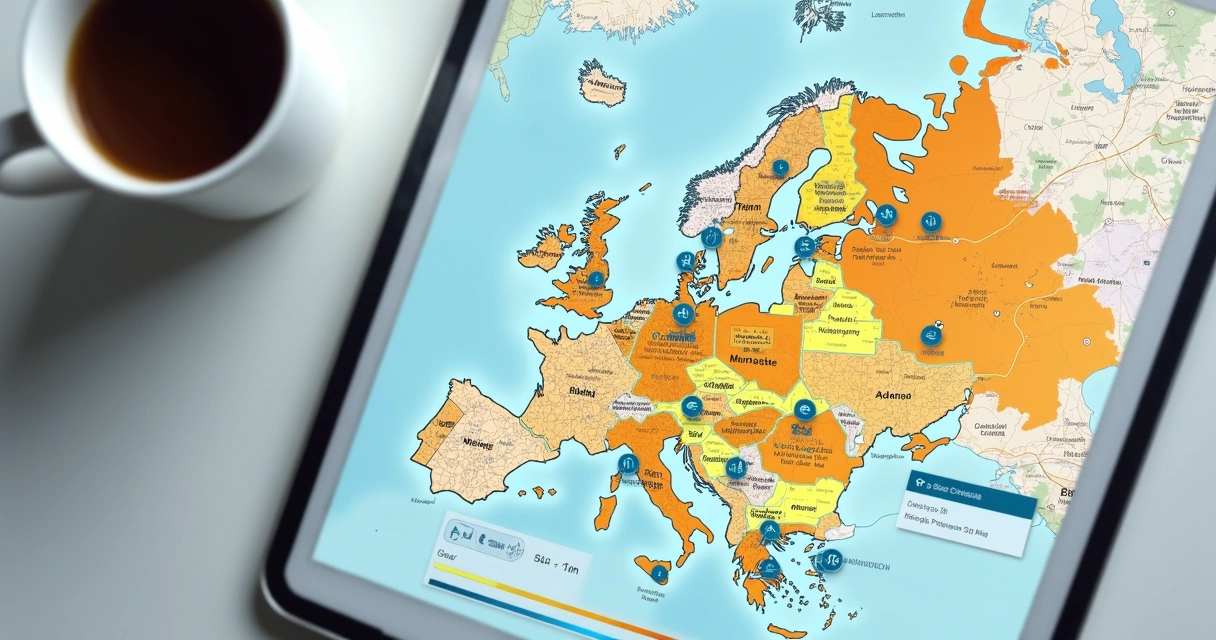
From what I’ve learned, prioritizing leads allows for better planning and makes daily work more satisfying and productive. No more wasting resources on “maybe someday” prospects.
3. Customize every proposal using real-time property data
Imagine being able to tell a homeowner exactly how much solar can save them—not in generalities, but with numbers tailored to their roof, location, and recent bills. That’s where automation shines.
Data-driven proposals show prospects they’re not just a name on a list. By pulling from real-time aerial imagery, roof measurements, and utility rates, solar sales reps can automatically generate:
- Site-specific system sizing recommendations
- Accurate year-one and twenty-year savings projections
- Estimated payback periods and IRR (internal rate of return)
- Dynamic financial breakdowns, including loan or lease options
- Maps and roof diagrams personalized to the property
I have watched national studies show that when prospects receive detailed, transparent numbers relevant to their home or business, trust skyrockets—and so do sign rates. Custom proposals help prospects see solar as an investment with a fast, measurable return.
If you want to go deeper, integrating property datasets with automated financial calculators—like those in Sunate—takes pressure off the rep and enables instant quotes, whether at the kitchen table or over email. That layer of professionalism and speed is unbeatable.

I have also noticed that this customization works especially well with commercial clients. Facility managers often ask: “What would our three-year savings look like, factoring in our current kWh costs?” Proposals built on real data answer the question on the spot, supporting faster, data-driven decisions.
Want to learn how property data shapes proposals? Take a look at these articles on advanced property data for solar sales.
4. Address objections and use scripts that build trust
Any experienced salesperson knows the conversation rarely ends at “send me a quote.” Homeowners and business managers have plenty of questions—and often a few tough objections. I’ve learned the most reliable path to overcoming resistance is a mix of strong data and well-tested communication scripts.
- Objection: “I’m worried about the cost.” Response: “Actually, based on your current electric bill of $250/month and the size of your south-facing roof, the system will pay for itself in about six years—and we can show you the breakdown right now.”
- Objection: “Will this lower my property value?” Response: “Studies for your ZIP code show an increase in resale value, plus you’re protected from utility price hikes.”
- Objection: “Is solar reliable in New England?” Response: “Here are five similar homes nearby that have tracked above 95% of their projected savings for the last three years.”
Using scripts powered by local and property-specific data makes the conversation concrete and believable, rather than theoretical. I have seen this shift the mood from skeptical to interested in just a few sentences.
Another practical tip: maintain a digital library of the most common objections and your best answers. Update them as you collect new data, and share with your whole team. Everyone benefits from collective learning.
I often point reps toward resources on successful lead nurturing and responses to solar objections, which saves time and turns even tough skeptics into believers.
5. Automate follow-up: speed up the sales cycle
If there’s one place most deals are lost, it’s in the dead space after the first presentation. In my early days, I would chase the same prospects by phone, email, and even handwritten notes, without any tracking of who was ready to buy. That’s where sales automation and structured follow-up processes become game-changers.
- Automatic reminders to call or email after each meeting
- Staged drip campaigns sharing new info, case studies, and testimonials
- Instant alerts when a prospect opens or clicks your proposal
- Automated SMS or WhatsApp updates for quick questions
- Multilingual messaging capabilities for diverse neighborhoods

From what I’ve observed, deals speed up when prospects get timely, personalized responses at each stage—without waiting for a sales rep to check their manual notes. This is where integrated tech like e-signature solutions really shines. Contracts go out immediately and come back signed the same day, reducing the drop-off rate between “let’s do it” and “done.”
Automation keeps hot opportunities from going cold.
Plus, with multilingual outreach, sales teams using Sunate easily communicate with homeowners in their preferred language, which builds trust and expands the pool of potential customers. That’s not something a printed flyer or a cold call can match.
6. Use local incentives as a motivation tool
One thing I see many solar sellers overlook is the power of local solar rebates, tax credits, and incentive programs. These can make or break a prospect’s financial decision. Understanding and explaining these programs—like Massachusetts SMART, Connecticut Green Bank, or Rhode Island Renewable Energy Growth—shows expertise and helps close fence-sitters.
- Calculate state and federal incentives in every custom proposal
- Keep a cheat sheet of current programs for your main regions
- Share recent case studies from customers who received rebates
- Explain the expiration dates or phase-outs to motivate fast action
- Let digital proposals update rebate values in real time as laws change
In my experience with Sunate’s up-to-date incentive integrations, I have seen prospects move from “maybe next year” to “let’s start now” in a single call, just by realizing they could unlock a big one-time bonus for installing solar soon.
For commercial teams, incentives can reshape a project’s ROI. Tying in solar renewable energy credits (SRECs) or demand response payments can be the nudge that gets a CFO on board.
If you are interested in the latest solar policies and local financial motivators, I suggest checking out solar energy news and updates on incentives. Keeping your team current gives you another edge in the sales process.
7. Build repeat business through post-sale care and referrals
The journey doesn’t end when the contract is signed. Some of the best solar wins I’ve seen come from strong post-installation engagement. A few weeks after the system goes live, reaching out with performance updates or a thank-you note is a small touch with a big payoff.
- Share easy-to-understand production reports
- Offer a referral bonus for each new customer sent your way
- Deliver online forms or surveys for simple feedback
- Send digital gift cards or thank-yous via text
- Ask for reviews on Google or social media (and make it one-click simple)
Most homeowners and property managers love showing off their new solar to neighbors and business contacts—make it effortless for them to sing your praises. In my own work, I’ve seen that a strong referral campaign can lead to a steady pipeline from word of mouth alone. It’s more than a cliché: people buy from people they trust, and your past clients are your best salesforce.
Digital tools also make collecting, tracking, and rewarding referrals much easier. Sunate offers integrated workflows that remind your team to request referrals and manage them to completion, so you never miss an opportunity.
Let data and tech work for your sales goals
If you take one thing away, let it be this: the fastest route to close more solar deals is combining accurate data, automated technology, and authentic, tailored customer connections. By letting tools handle the busywork—finding the best leads, crafting custom proposals, sending timely follow-ups—you give yourself space to work smarter, not harder.
The solar market is expanding rapidly. According to U.S. government reporting, solar installations are growing across the country at a record rate.
If you want to cut wasted effort, convert more conversations into positive decisions, and boost referrals, integrating AI and advanced sales intelligence is the way forward. It’s not just about closing deals faster—it’s about building stronger, longer-lasting customer relationships.
Ready to see your territory’s top opportunities mapped in real time and discover how Sunate can help your team win more solar business? Book a quick demo with Sunate today and watch your sales success multiply.
Frequently asked questions
What are the best tools for closing solar deals?
The most effective tools are those that give you instant access to real-time property data, AI-powered lead scoring, automated proposal builders, and integrated e-signature and CRM systems. A platform like Sunate combines all these elements, giving solar reps everything needed to move fast and sell with confidence.
How can data help win more solar sales?
Residential and commercial solar teams use data to target only high-potential addresses, personalize financial savings projections, and prepare for common objections based on each prospect’s profile. When you show prospects concrete numbers tailored to their own home or building, decision-making becomes much easier for them.
What technology improves solar deal conversions?
Automatic lead qualification and prioritization, digital proposal generation, real-time incentive calculation, and e-signature solutions all help close deals faster. Tech that automates repetitive tasks and enhances customer communication accelerates the sales cycle and increases close rates.
How can I use analytics to sell solar?
Analytics help you focus time on the top prospects, spot trends in your sales data, and fine-tune your process. Reviewing metrics like proposal conversion rate or site visit-to-close ratio shows where to improve and how to adjust your approach for better results.
Is it worth investing in solar sales software?
Yes, because in today’s competitive market, working smarter with advanced tools leads to more appointments, higher conversion, and faster revenue growth. Sales teams using specialized solar platforms consistently outperform those relying on old-fashioned manual methods.