When I first heard about artificial intelligence (AI) helping solar professionals assess rooftops, I have to admit, I was curious but skeptical. Could an algorithm really do what sales teams usually spend years learning—spotting the best properties for solar installations just by looking at data and images? After diving into the process, especially using Sunate as a resource, I realized how quickly technology is reshaping the way we decide where to focus our energy (pun intended). If you work in residential or commercial solar, or are simply interested in how AI can help you find better leads, here’s the story of how things work today.
Why roof assessment matters more than ever
For many solar teams, knocking on every door isn’t smart. Homeowners want direct answers right away and, honestly, so do you and your business. The roof is everything: its age, shape, shading, and even the history of repairs can make or break a project before you ever call the property owner. Traditionally, though, getting solid info meant having to visit in person, measure, and guess—and that’s a huge investment if the lead isn’t even qualified. AI is now changing this entire workflow by enabling accurate rooftop inspections without the need for site visits.
The main data to check when pre-qualifying a roof
From my own research and real-world conversations with solar sales reps, I see three big areas you need to know about before moving forward with a pitch:
- Structural condition – Is the roof sturdy? Any visible damage?
- Materials and type – Metal, tile, shingle, flat, pitched?
- Solar potential – Sun exposure, shading, and roof area? How much energy could it generate?
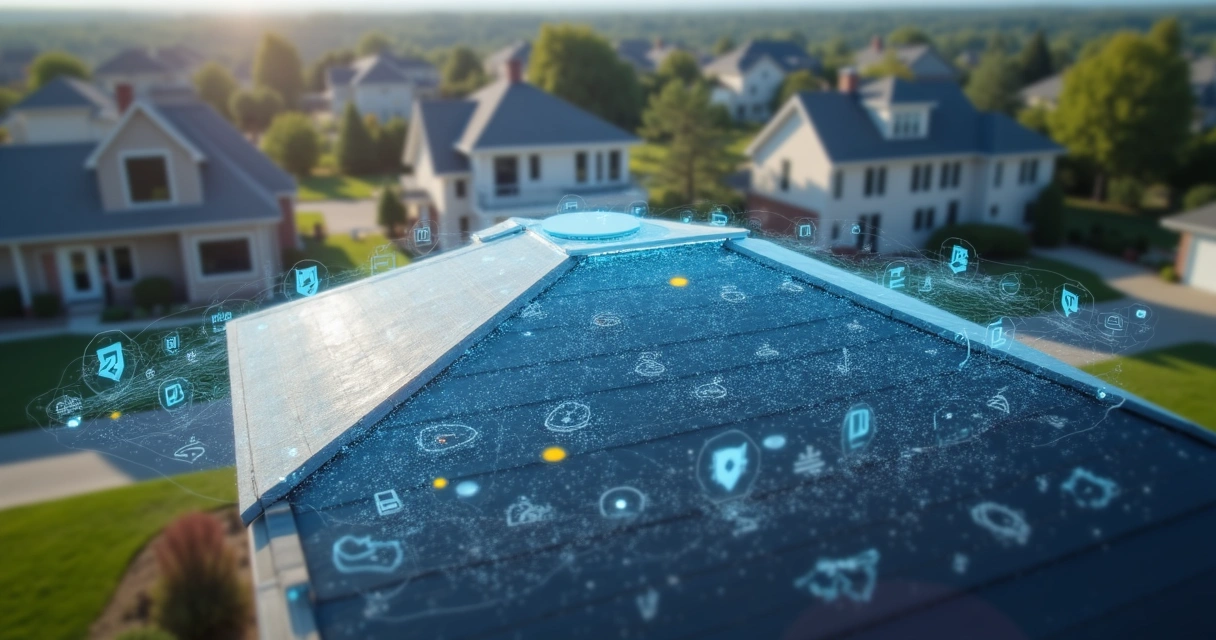
AI-driven tools process aerial imagery, satellite data, and property datasets to tell you not just what the roof is made of, but if it’s a good fit for solar—and they do this in seconds. This is how Sunate handles pre-qualification at scale, using databases covering millions of properties across Massachusetts, Rhode Island, and Connecticut.
How AI finds the right roofs step by step
After watching dozens of demos and reading industry reports, I’ve noted the process usually looks like this:
- Collect data: Satellite and aerial images are matched to property addresses. Public data (like county assessor info) fills in the blanks—year built, roof size, last renovation.
- Analyze images: AI models review the pictures for missing shingles, discoloration, structural oddities, and other clues that suggest wear or hidden issues.
- Map sunlight exposure: By tracking shadows at different times of day and year, AI maps the sunniest spots and finds possible shading from trees or buildings.
- Generate instant reports: You get a summary with: roof area (in square feet), usable sunlight hours, material, slope, and a “recommended” or “not recommended” tag.
- Score potential: Platforms like Sunate even estimate energy savings and installation cost ranges automatically—ranked by highest opportunity in your area.
What really stood out for me is the speed and clarity of the process. You no longer have to sift through endless records or drive out just to find a cracked tile. The information is delivered in plain language, helping teams decide within minutes whether a property makes sense. If you want a detailed explanation of how AI changes the sales workflow, the artificial intelligence blog section has plenty of in-depth articles.
Common signs a roof might not qualify
During my experience, certain warning signs come up again and again when AI reviews a roof:
- Poor roof orientation or steep shading from trees/buildings
- Old or heavily patched roof materials
- Limited available space (chimneys, HVAC units, skylights)
- Unusual roof shapes (complex or “cut up” designs)
If any of these appear in the instant AI report, it saves you from wasted site visits or quotes that go nowhere.
Connecting AI results to real sales outcomes
I’ve spoken with several solar sales teams who’ve changed their strategies after integrating AI-based tools into their workflow. Some even claim they doubled or tripled their closing rates without ever stepping foot on a dud lead’s property. The secret? AI-powered roof reports let teams segment territories, prioritize outreach, and focus only on spots with the highest economic upside.
“Work smarter. Go where the solar fits best.”
The automation removes bias, guesswork, and wasted time. In fact, Sunate users are reporting up to 4x improvement in conversions once AI pre-qualification is part of daily routines. If you want examples, their property data case studies share several success stories, including impact on door-to-door and inside sales numbers.
Outreach: The next step after pre-qualifying roofs
With your list of pre-screened properties in hand, it’s time to reach out. But here, too, AI steps up. In my experience, many projects stall because sales reps can’t always speak the homeowner’s preferred language, or outreach feels too impersonal. With new AI-powered outreach tools, contacting prospects multilingually becomes automatic, and personalized templates can be sent at scale.
Sunate, for example, allows outreach through SMS, email, and phone, choosing the best way to connect based on homeowner data. This, I’ve noticed, increases engagement and response rates, since people appreciate feeling understood from the first moment. For more on how AI-driven property marketing works, the lead generation hub has guides and playbooks.

What AI cannot do (yet)
While the speed and precision I’ve seen are impressive, I sometimes remind new salespeople that AI isn’t magic. It can read images, detect patterns, and score opportunities, but capturing every small factor—like hidden water damage or a deeply localized regulation—may still require human expertise or a follow-up onsite check.
Still, saving time during the initial qualification process means more resources for follow-ups and deep dives on top prospects, where your human touch matters most.
The future is mapped and actionable
Looking ahead, I believe that AI-powered roof assessment will only get faster and more granular. Every year, the models get better at reading new roof materials, handling corner cases, and even predicting roof lifespan with historic weather data.
For solar sales teams, this means less grind, fewer lost hours, and more closing on projects that genuinely benefit all sides. Solar energy opportunities will become even more accessible to everyone, regardless of background or language.
I find mapping sales territories and targeting my outreach so much easier now, especially since reports are updated in real time as new imagery becomes available. If you want to try out this future for your team, I recommend you see Sunate's territory mapping in action and book a demo. The best leads are out there—they’re just waiting to be found faster, and with more confidence.
Conclusion
AI is now the shortcut to smarter, quicker roof assessment for solar teams of all sizes. By automating the hard parts—scanning, scoring, and segmenting roof opportunities—sales reps can put their energy where it matters. I’ve seen firsthand how much better results are when you use Sunate to qualify leads before you ever pick up the phone.
Ready to see how Sunate could multiply your sales? Find your next solar project by requesting a 15-minute demo and get your top opportunities mapped instantly. Make every contact count.
Frequently asked questions
What is AI roof assessment?
AI roof assessment is the automated evaluation of a property’s roof using artificial intelligence to analyze images, data, and property records, providing instant information on roof condition, structure, and solar suitability without an in-person visit.
How does AI evaluate roof conditions?
AI evaluates roof conditions by processing aerial and satellite imagery, detecting signs of damage or shading, measuring surface area, and cross-referencing public records to determine material, age, and potential for solar installation—all within seconds.
Is AI roof inspection accurate?
AI roof inspection is usually highly accurate for visible factors like roof area, sunlight exposure, and broad material types. For hidden issues, a physical check may still be needed, but AI dramatically reduces errors and quickly highlights which properties deserve closer inspection.
How much does AI roof analysis cost?
Pricing for AI roof analysis depends on the platform and the number of properties being scanned. Some platforms include it in a subscription, while others may offer pay-per-report options. In my experience, the savings in time and travel costs far outweigh the investment, especially for large sales teams.
What are the benefits of AI for roofs?
The main benefits of AI for roof assessment include instant pre-qualification, reduced site visit costs, faster sales cycles, improved accuracy, and the ability to reach more qualified prospects in less time.