Every time I talk to solar sales reps, I hear a common frustration: too many dead-end leads and too much time spent knocking on the wrong doors. For years, finding the right prospects for rooftop solar or commercial installations meant long hours of door-knocking, scattered spreadsheets, or buying lists that were often out of date. Now, with highly detailed property-level solar intelligence, solar sales teams like mine experience something radically different. I want to share how this shift happens, shaped by advanced platforms like Sunate, and why I believe the new generation of data-driven outreach redefines what it means to sell solar.
Why property-level data is such a game changer
If you have ever wasted a day driving out to a site only to discover an unusable roof or an uninterested owner, you know the value of the right information at your fingertips. Today’s solar installers have access to much more than addresses and phone numbers. Thanks to modern property databases, what I now use includes:
- Up-to-date roof characteristics, such as material, size, shade, and age
- Building usage patterns and estimated energy consumption
- Ownership information and demographic indicators related to solar adoption
- GIS (Geographic Information System) overlays for climate, solar potential, and incentives
With this blend of data, outreach is no longer guesswork. It’s targeted, strategic, and feels much more like a conversation with a neighbor than a hard sell.
How AI and analytics sharpen every step
I remember the days when I relied on gut feeling. That's changed. Advanced sales intelligence tools, including Sunate, use AI to pre-qualify properties based on dozens of variables. These might include:
- Roof suitability and estimated system size
- Predicted annual energy offset
- Likelihood of homeowner approval based on previous solar interest and demographic fit
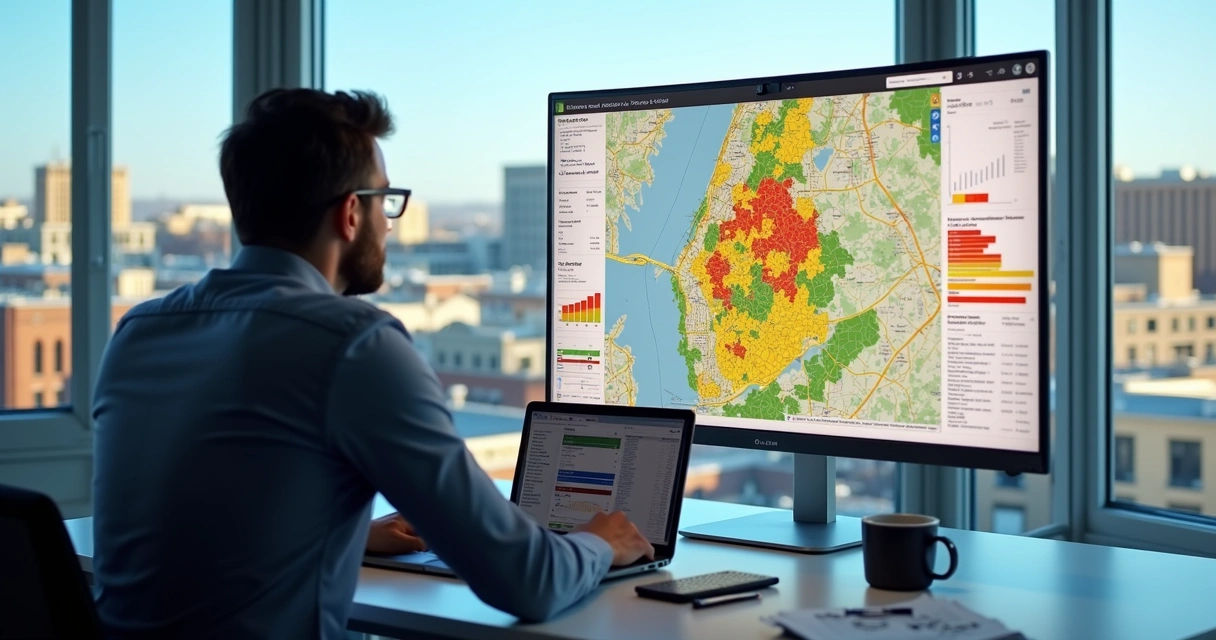
Instead of working my way down a generic list, I get a live map of my territory, color-coded by opportunity. I see what’s high-potential and what’s not worth my team’s attention right now.
Data lets us replace hope with precision.
Real-time mapping and sales cycle speed
If you have worked in fast-paced markets like Massachusetts or Connecticut, you know the landscape changes quickly. Real-time mapping tools show exactly where solar has momentum. According to ENERGY STAR reports, Massachusetts is seeing steady growth in renewables adoption, though it's early days. By tracking not just existing solar but property fit, I can focus on the best prospects before competitors spot them.

Layering this data with territory insights, outreach becomes more organized. Commercial projects benefit especially, as I can see large roof spaces and ownership at a glance. It’s not just quicker—my win rate actually increases, and my cost per acquisition drops.
The impact of climate, incentives, and homeowner fit
I often get questions about which properties are best for solar. It’s never one thing. While solar is surging in states like California, as shown in Ember’s 2025 U.S. electricity analysis, New England brings unique challenges and opportunities. Key influences I always look for are:
- Solar exposure based on geospatial intelligence
- Local and federal incentives
- Property owner's buying power and likelihood to invest
- Historic electricity costs that make solar more attractive
Accurate property intelligence means I can identify not just technical fit, but who’s motivated to go solar right now. This is where Sunate’s pre-qualification really shines, eliminating wasted visits and keeping my pipeline strong.

Powerful outreach: residential, commercial, and multilingual
One of my favorite changes in recent years is how easy it is to reach prospects in their preferred language. In communities across Rhode Island and Connecticut, property insights are just the start. Outreach tools let me send emails, texts, or calls—English, Spanish, or Portuguese—so language barriers never slow growth. For both commercial and residential segments, blending detailed property data with smart outreach expands my pool of high-quality leads.
For readers interested in making better use of these strategies, I often recommend browsing resources such as lead generation, solar energy, property data, sales intelligence, and artificial intelligence topics on our own blog. Global trends reinforce just how quickly this field evolves, with solar generation increasing sixteenfold since 2012, and emerging economies now leading the way in solar production worldwide.
Conclusion: A new era for selling solar
Now, every time I approach a territory, I start with a clear advantage: up-to-date information that tells me where to go and whom to contact. Property-focused solar intelligence isn’t just a technical thing—it transforms lead generation from struggle to smooth progress. Sunate brings these benefits to commercial and residential teams, helping everyone work smarter, close quicker, and waste less time on the wrong visits. If you want to see how this approach works for your market, I suggest booking a quick demo and seeing your top prospects mapped in real time.
Frequently asked questions
What is solar property data?
Solar property data refers to detailed information about individual buildings, such as roof size, material, pitch, orientation, shade, ownership, and energy use, that helps determine if a property is suitable for solar installation. This data can also include local incentives, historical utility data, and other factors that influence solar decisions.
How does solar property data help lead generation?
With high-quality property information, sales teams can focus their efforts on homes and businesses with the highest chance of conversion. It means targeting leads that are technically fit, financially ready, and more likely to adopt solar—reducing wasted outreach and improving sales performance.
Where can I find solar property data?
Many modern sales intelligence platforms, including Sunate, aggregate public records, GIS data, and utility estimates for millions of properties across the Northeast. I use these platforms to view mapped prospects and get instant details, rather than searching through multiple disconnected sources.
Is solar property information accurate for installers?
Yes, the best platforms update their databases frequently and use AI to clean and refine records. Of course, I always confirm specifics during a site visit, but pre-qualification with data now saves me significant time and money by filtering out poor matches.
How much do solar data tools cost?
Costs vary. Some providers charge per lead, others by monthly license or team size. I find the investment pays for itself as win rates rise and sales cycles get shorter. With up to 4x more closes reported by using Sunate, the math is very convincing for any growing solar team.