
If you work with commercial solar sales, you already know that focusing on the right leads makes all the difference. After years in this field, I've learned that chasing every possible business can wear teams down fast. The secret isn’t working harder, but working smarter. That’s where a smarter segmentation of commercial solar leads comes in, and where tools like Sunate change the game.
Understanding high-potential commercial solar leads
Before talking about segmentation, I want to clear up what a “high-potential” lead actually is. In my experience, not every business with a roof has solid potential for solar. There are several clear indicators that tell me if a commercial property is worth time and effort:
- Rooftop size and orientation
- Current electricity usage patterns
- Ownership status and willingness to invest
- Accessibility for installation teams
- Previous solar or energy efficiency initiatives
A high-potential lead is a commercial property where the roof, energy profile, and ownership needs align in a way that makes solar a natural next step.
Spotting these leads early means your sales team gets more wins with less heavy lifting. It’s not just a theory, I’ve seen up to four times more deals close when reps focus this way.
Why segmentation is key
Working through a massive database of possible leads can feel endless. When I started, I often visited sites on foot or cold-called hundreds of businesses, hoping for a match. The result? Lots of wasted time and not enough progress.
Segmenting your leads is like choosing the right battles.
With focused segmentation, sales teams can avoid wasted site visits, focus on the most promising prospects, and speed up deal flow. The right segmentation is not about saying no to leads, it’s about saying yes to opportunities that truly fit.
Step-by-step: How to segment commercial solar leads
Over time, I've found a clear process to separate top-tier leads from the rest. Let me walk you through the steps I recommend.
1. Start with a clean data source
Clean and current data is at the heart of successful segmentation. I’ve seen teams burned when they chase outdated contact lists or properties that already have solar. I always start by making sure my data covers:
- Property addresses and ownership info
- Recent satellite or drone images
- Verified business types and sizes
With Sunate, for example, instant access to over four million properties across Massachusetts, Rhode Island, and Connecticut puts this step on autopilot. The information is pre-filtered and ready, so you start one step ahead.
2. Analyze rooftop and site conditions
Not every roof fits solar, especially for commercial projects where site complexity matters. I always look for:
- Sufficient roof space (usually at least 10,000 square feet)
- Minimal shade and obstructions
- Structural condition, is retrofitting feasible?
- Angle and orientation for maximum solar gain
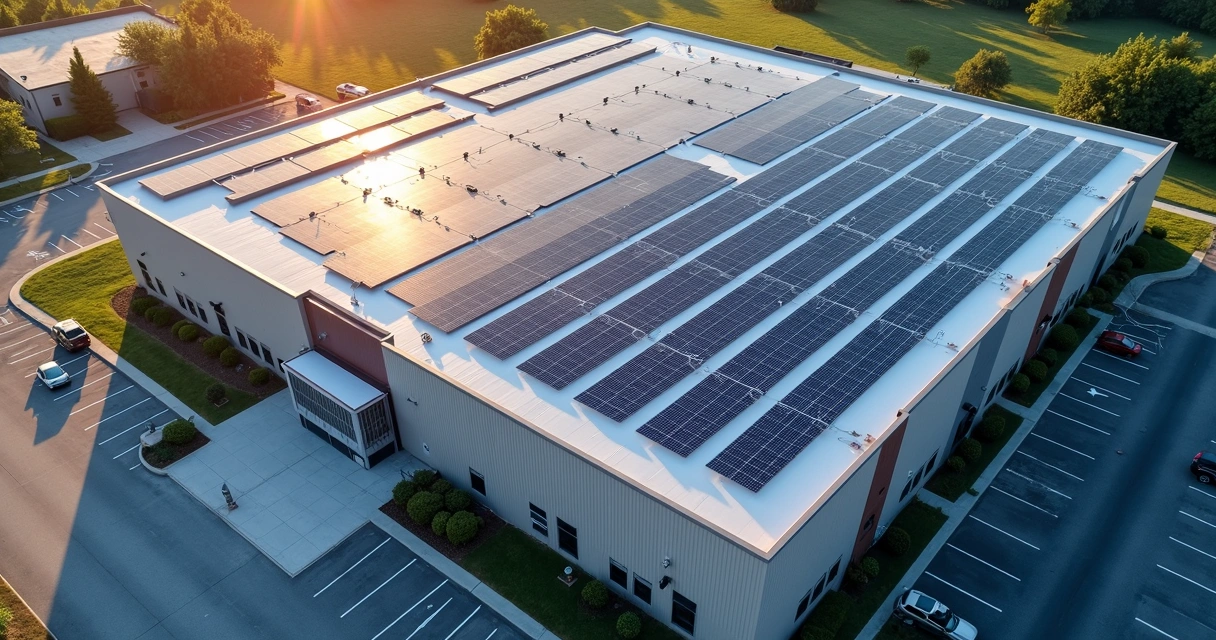 A quick satellite review can filter out 50% of unqualified properties before you make a single call.
If you want to go deeper into this subject, the solar energy category on our blog covers technical aspects of site suitability.
3. Score energy consumption profiles
Not all commercial buildings use enough electricity to make solar viable. In my research, high-potential leads have:
- 24/7 operations (warehouses, data centers, manufacturing)
- Peak daytime energy usage
- Consistently high monthly bills
If I can get access to electricity bills or utility data, I score leads on potential savings. The greater the savings, the higher the priority.
4. Evaluate prospect fit and decision drivers
After technical fit, I dig into business needs. Are they environmentally conscious? Is lower energy cost a priority? Are they building owners or long-term tenants?
I find that the best fit comes when three conditions meet:
- The financial case is compelling
- The business culture values sustainability or cost savings
- Decision-makers are accessible and open to innovation
When people, property, and profit line up, the deals come through.
If you want to read a bit more about ways to read a company's “solar readiness,” I wrote about this recently on this article.
5. Automate pre-qualification workflows
Manual pre-qualification is slow and puts stress on busy sales teams. When Sunate came into my workflow, I noticed that automated pre-qualification tools made a real difference. I could filter and score leads instantly by matching their profiles to specific project criteria.
Features I find helpful in automation tools include:
- Roof and site scoring based on up-to-date data
- Automatic calculation of estimated savings
- Option to set custom filters based on commercial verticals
- Tags for properties with language, tenant, or decision complexity
Automated qualification saves you hours and lets you focus your energy on warm, ready-to-talk decision makers.
Making outreach relevant and multilingual
One mistake I often see is generic outreach that doesn’t connect. When I started using multilingual outreach (especially in diverse markets like Massachusetts), response rates went up sharply.
Here’s how tailored and multilingual messaging helps:
- Increases trust by showing respect for the lead’s culture
- Improves response rates with messages in the decision-maker’s language
- Communicates benefits that matter to their business type
Sunate’s built-in multilingual outreach capability increases engagement significantly, especially for businesses owned by immigrant communities, a growing sector in the Northeast.
If you’re interested in learning about messaging best practices, I also recommend exploring the sales intelligence section of our content.
Follow-up: Efficient next steps after segmentation
After segmenting and pre-qualifying high-potential leads, what comes next? I usually:
- Set up short, tailored discovery calls with decision makers
- Send over quick site assessments or feasibility summaries
- Offer demo or pilot proposals that speak directly to property and business needs
At every point, I stay focused on the “why” for their business, lower costs, improved brand reputation, or operational resilience. Every conversation feels more targeted with the right segmentation behind it.
For concrete examples of successful commercial segmentation, here’s a post with real case studies.
Tracking progress and refining segmentation
I always track which segments yield the highest response and close rates. Data never lies. Over time, I refine the attributes I prioritize and improve our scoring models. I also make use of resources from the lead generation section to stay sharp.
Every deal closed is proof that focused segmentation outpaces generic hustling.
Conclusion: Working smarter with Sunate
From everything I’ve experienced, commercial solar sales are about sharp focus and fast action. Segmenting properly means fewer wasted hours and more contracts signed. By using tools like Sunate, I’ve seen teams focus instantly on properties that fit, get better response from qualified leads, and move deals forward with less friction.
If you’re ready to see how targeted segmentation can multiply your commercial solar sales, book a 15-minute Sunate demo and discover high-potential opportunities mapped for your territory in real time.
Frequently asked questions
What is a high-potential solar lead?
A high-potential solar lead is a property owner or decision-maker whose site conditions, energy usage, and business profile suggest a strong technical and financial fit for solar. They often have good roof orientation, significant electricity costs, and interest in sustainable solutions.
How to identify commercial solar leads?
Commercial solar leads are best identified by analyzing property size, roof layout, energy consumption, and decision-maker access. Using up-to-date property data, satellite imagery, and energy profiles helps pinpoint those most likely to benefit from a solar installation.
Where to find quality solar leads?
Quality solar leads can be found through reliable data platforms, networking with industry organizations, reviewing utility records, or by using AI-driven tools like Sunate, which provide instant access to pre-qualified commercial and residential properties.
Is lead segmentation worth it for solar?
Segmenting leads in solar sales saves time, increases close rates, and helps focus effort on prospects with the highest chance of success. By prioritizing the right properties, teams minimize wasted resources and increase deals won.
How much do solar leads usually cost?
Solar lead costs can vary widely depending on data quality and market competition. Commercial leads often cost more than residential due to their complex requirements but tend to yield higher-value deals when properly qualified.