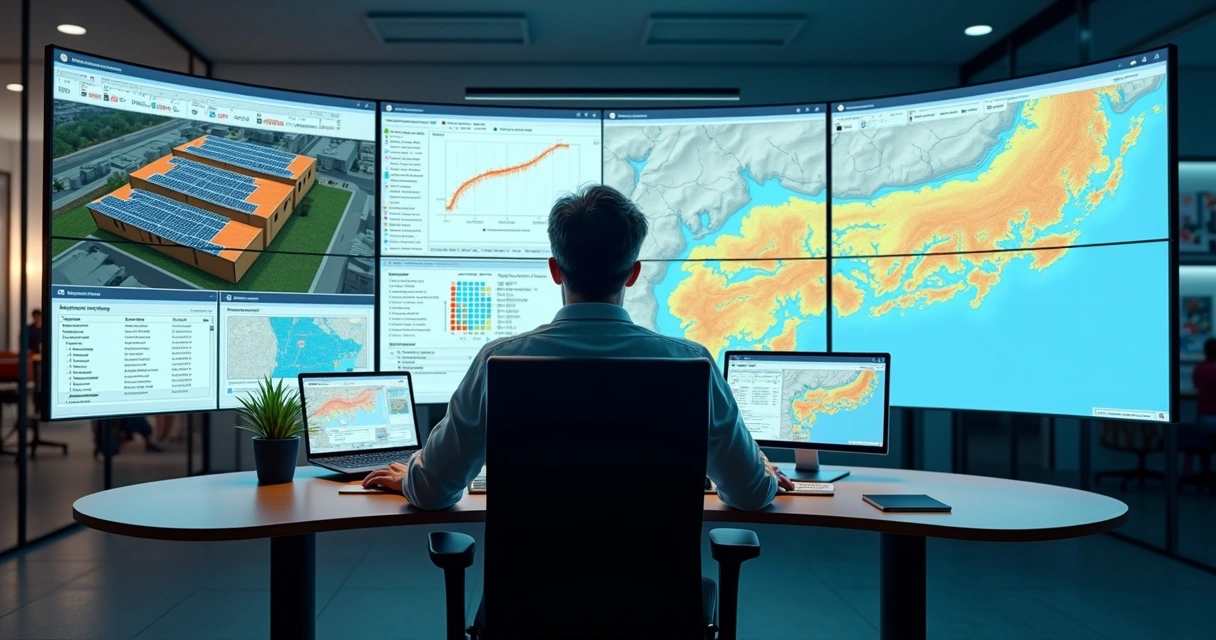
Solar companies across New England deal with pressure that only seems to grow each year. With tighter margins, more informed customers, and evolving tech, I often hear owners and reps ask: How can we keep up? Over more than two decades bridging energy and digital sales, I’ve watched the answer shift, but never as quickly as right now. In 2026, the biggest difference between rising teams and stalled pipelines comes down to one thing—smart, connected software.
In this article, I’ll walk through the main types of software powering solar sales and delivery, and I’ll show how picking the right mix makes all the difference—especially in regional markets like Massachusetts, Rhode Island, and Connecticut. I’ll also dive into what I see as key features to compare, and share stories of how a platform like Sunate is shaping how modern solar companies win customers and streamline the entire journey from first impression to completed install.
The software backbone of a solar company
When I first started, software meant spreadsheets and maybe a homegrown contact database. That’s changed. Today’s solar firm uses a blend of design apps, specialized CRMs, robust project management, and proposal generators—often tightly integrated to reduce manual entry and handoffs.
- Design and modeling tools: These help consultants visualize system layouts, check roof shading, and forecast energy production for customer homes and commercial sites.
- Customer relationship management: CRMs collect lead information, automate communication, and coordinate appointments, helping sales reps work smarter—not just harder.
- Project management platforms: From permitting to procurement and install scheduling, project management apps keep everyone on the same page.
- Proposal and contract generators: Auto-generate custom proposals and contracts, helping deals close faster with fewer errors.
Bringing these systems together gives every team—from door knockers to back-office admins—a more reliable, fast-moving workflow.
Key features shaping solar software in 2026
Each year, more features end up packed into solar-focused platforms. Some trends shape every team’s wish list. From what I’ve seen on hundreds of shop floors and virtual demos, these are the features making the biggest impact today:
- Real-time property data: Sales teams love instant roof scans, aerial imagery, and homeowner info that feed into targeting high-potential leads. This is an area where Sunate shines, providing instant access to over four million properties across New England.
- Built-in energy modeling: Modern systems integrate solar production forecasts with local weather and shading to produce more accurate—and more convincing—proposals.
- Automated lead scoring: AI-driven pre-qualification narrows focus on homes and businesses truly ready for solar, meaning less time wasted on dead ends.
- Multilingual communication tools: Outreach isn’t one-size-fits-all in diverse regions. Automated translation and messaging tools help open doors in many languages.
- Digital workflows for compliance and funding: Integrated permitting checklists and financing applications cut time from deal to install, especially in markets where paperwork can drag for weeks.
- Seamless integrations: Easy connection to legacy accounting, inventory, or field service apps is often the difference between scalable growth and disconnected teams.
- Analytics and reporting: Solar operations run better with dashboards tracking conversion rates, close timelines, and system performance post-install.
Choosing purpose-built solar software gives every team member—from sales to install crew—a clear, connected path from prospecting through project completion.
I’ll break down each main category and share how their modern features come together to empower solar companies across residential and commercial markets.
Design and modeling tools: The heart of solar proposals
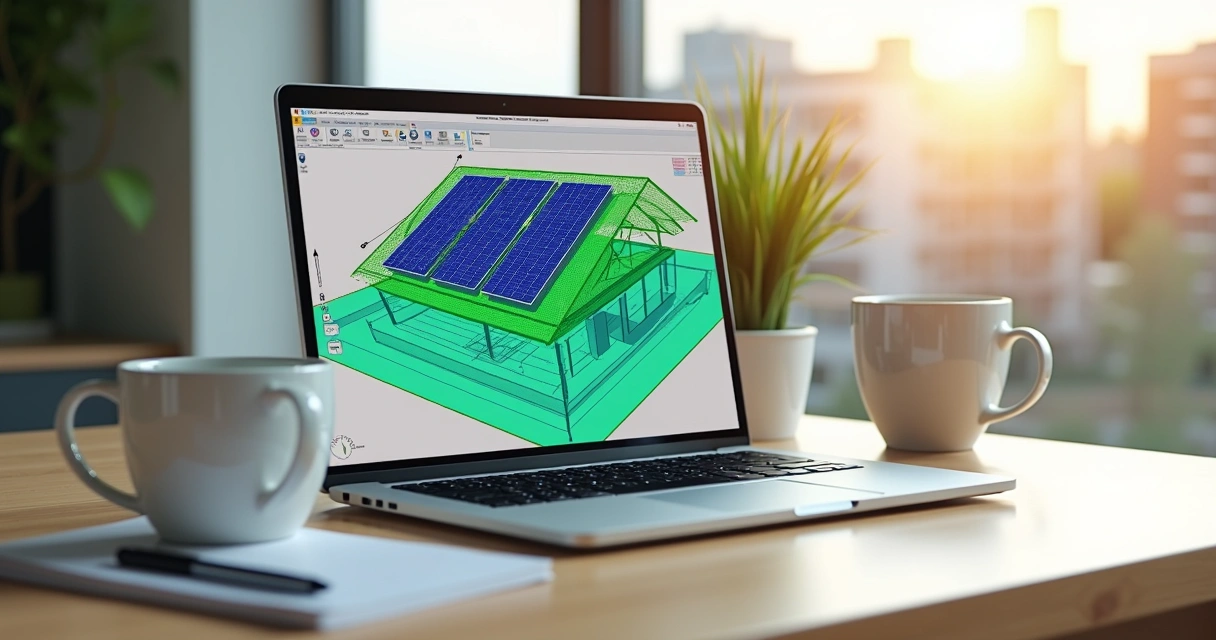
I remember a time when “solar design” meant someone climbing up a roof, tape measure in hand. In 2026, digital tools render roofs, simulate sun exposure, and size systems with just an address. These platforms save hours and give prospects a clear vision for how their investment will look and perform.
For residential teams, this means:
- Instant shading analysis using satellite and drone imagery
- Estimate annual solar production with location-specific weather data
- Auto-calculate system sizes and recommend hardware setups
- Create 3D visualizations for customer proposals
On the commercial side, design software scales up, handling flat roofs, mixed-use sites, and complex connectivities. The inclusion of open-source modeling software—like that developed by SLAC National Accelerator Laboratory—enables more transparency and innovation for data-driven teams.
One feature I see growing in value is automated detection of roof conditions from aerial imagery. As shown in studies using deep learning models for PV module assessment (peer-reviewed analysis of soiled modules with HALCON software), AI is helping teams spot panels’ or roofs’ real-world condition before even stepping onsite.
Picture this: A residential rep in Boston opens their software, pulls up a street in Cambridge, and instantly gets a shading report, roof tilt, usable area, and estimated homeowner energy use—all without driving across town. That’s a formula for more meaningful, confident sales conversations.
CRMs built for the solar pipeline
If someone calls me to ask about growing their solar sales, nine times out of ten, I ask: How do you manage your leads? Generic CRMs may suffice for some businesses, but solar’s unique way of selling—complex consultative sales, multiple touchpoints, and specialized contracts—demands industry-specific tools.
Modern solar CRMs work much harder than just tracking contact info. Here’s what I see as non-negotiable capabilities for regional solar teams:
- Granular lead segmentation: Tag and filter by property type, location, roof suitability, utility provider, or site complexity.
- Integrated pre-qualification: AI-driven logic flags properties and prospects that have the roof, usage patterns, and buying signals to warrant a full proposal. Sunate, for example, does this at scale across New England, keeping my clients focused where it matters most.
- Automated follow-up: Drip campaigns and automatic reminders for cold leads, paperwork deadlines, or install scheduling.
- Pipeline tracking: Real-time dashboards so managers can watch deal flow and spot bottlenecks early.
- Communication history: Log every call, email, and text—critical for multistakeholder commercial deals.
I’ve seen teams double their closing rate by switching from spreadsheets to industry-specific CRMs. When new reps inherit precise notes, real roof data, and active follow-up sequences, missed opportunities shrink, and morale surges. Solar CRMs don’t just store data—they turn every homeowner detail into an actionable sales advantage.
For more on techniques to fill your pipeline, check out these tips on lead generation for solar companies.
Project management: Bringing installs together, step by step
One of the most frustrating parts of the solar business happens after contracts are signed. Permits, approvals, supply shipments, utility interconnections—each brings delays and paperwork that easily gets missed without strong oversight.
Project management tools purpose-built for solar create a central hub to:
- Assign tasks for site surveys, permitting, engineering, and installation
- Track dependencies, so nothing gets scheduled before paperwork is ready
- Sync with procurement to monitor panel and inverter arrivals
- Notify customers and internal teams of install dates or new requirements
- Generate compliance checklists based on local regulations
I’ve found this especially valuable in Massachusetts, where utility approvals can add weeks. Digital checklists and automated reminders keep everyone accountable. Some platforms also provide portals for customers, giving them a “pizza tracker” style view of their project’s timeline. The result? Fewer calls asking, “Where’s my project?”
Strong project management platforms create trust, prevent missed steps, and bind sales and ops teams closer together.
Proposal and contract generators: Close with confidence
Since the start of my career, one thing hasn’t changed: speed matters. Homeowners want to know pricing, savings, aesthetics, and next steps. Software that automates proposal delivery—especially with interactive visuals and built-in financing—significantly boosts closing rates.
- Auto-populate proposals with the right system size, price, and warranty information
- Include side-by-side loan and cash purchase options
- Customize visuals to match roof images and available sunlight
- Connect digital signatures directly into the customer record
- Auto-generate legal contract language and integrate with regulatory workflow
I’ve watched deals that once took days get signed in a single call, thanks to tools that handle all the painful formatting and approvals. These platforms don’t just save time—they instill confidence in both seller and buyer by reducing manual error and ambiguity.
Integration: Connecting data and reducing manual work
If you ask me what separates struggling solar operators from those scaling up year after year, a clear answer stands out: integrated tools. Siloed software drains energy, invites mistakes, and frustrates teams who already have enough on their plates.
In my experience, the most powerful software suites for solar companies:
- Connect CRM, design, project management, and proposals with a single sign-on
- Automatically sync property data and notes between frontline reps, back office, and field crews
- Push data to accounting, financing, and service platforms—reducing double entry and errors
- Scale with APIs for third-party reporting, inventory, or customer communications
Integrated software boosts deal velocity, shrinks overhead, and grows customer satisfaction. This has become especially crucial for companies serving competitive areas like Rhode Island or Connecticut’s rapidly expanding suburbs.
Modern automation: AI and the future of solar sales
I can’t talk about the best solutions for solar companies without highlighting the role of automation and AI in 2026. From what I see in the field, the real gains come from:
- AI-powered lead scoring that predicts homeowner readiness based on demographics, energy spend, home attributes, and engagement patterns
- Dynamic energy modeling, automatically adjusting for historic and forecasted weather, shading events, and consumption patterns
- Automated translation of proposals and outreach to meet diverse homeowner language preferences
- Predictive analytics showing where utility approvals are most likely to hit delays
Sunate’s unique approach—serving instant access to over four million property records and automating pre-qualification—has, in my view, set a new bar for what smart, target-focused sales teams expect. Sales reps step into every call prepared, starting with high-value leads and skipping wasted site visits. In regions where volume is high and quality data is hard to find, this is nothing short of transformative.
Residential vs. commercial: Software needs in each segment
Residential solar workflows depend heavily on fast, accurate qualification and high-touch, repeatable sales processes. Most platforms in this space focus on:
- Automated outreach and appointment booking
- Personalized financial savings models
- Fast, mobile-friendly proposals
- Customer experience portals for project tracking
Commercial solar sales, on the other hand, usually rely on more advanced project management and customization features. It’s common to need:
- Collaboration tools for RFPs and complex stakeholder reviews
- Bulk property analysis for multi-site clients
- Custom contract generators allowing legal review
- Inventory and procurement modules linked directly to suppliers
In both cases, data security and long-term system performance monitoring stand out as recurring demands. Teams that run post-install monitoring and proactive maintenance reminders see enhanced referral rates and fewer warranty headaches down the line.
Regional focus: Standing out in Massachusetts, Rhode Island, and Connecticut
New England markets are known for educated buyers, dense housing, and complex permitting. When working with companies here, I’ve learned that standard solutions rarely fit perfectly. Software systems built with this region in mind bring:
- Up-to-date local incentives databases
- Integrated permitting templates for each major jurisdiction
- Multilingual outreach reflecting demographic diversity
- Weather-adjusted production forecasts for snowy winters and cloudy springs
A core reason I recommend platforms like Sunate for this region is the depth of property data and outreach tools tailored to the communities companies actually serve. When I’m talking to a Rhode Island installer that needs bilingual proposals turned around in a day, or a Massachusetts sales team chasing neighborhoods with steep dormers, there’s no substitute for local focus. I often reference strategies from current sales intelligence articles for more insights on region-specific tactics.

From lead to post-sale: A connected workflow
One of my favorite transformations to watch is when a solar company moves from disconnected tech to a streamlined, software-powered journey. Let me sketch a practical, step-by-step example of how this works in 2026, using modern tools like those offered by Sunate:
- Target list generated: Sales rep pulls a hyper-local list of pre-qualified homes with the right roof characteristics in Hartford, using built-in GIS and utility overlays.
- Outreach and booking: Automated email and SMS translation reaches homeowners in multiple languages. Appointments are set automatically and synced to CRM.
- Remote assessment: The team uses aerial scans to check roof health, shading, and solar exposure—all before setting foot onsite.
- Instant proposal: After virtual site survey, proposal generator fills in system size, accurate savings, and incentive details, e-signature ready.
- Project coordination: As the deal closes, the project platform automatically kicks off permit tasks and notifies procurement to source panels.
- Install & post-sale: Customer portal updates at each stage; once installed, generation data feeds into long-term monitoring, and service reminders are automated.
The result? Happy sales reps, no more dropped deals, and delighted customers with less handholding and missed communication.
Feature comparison: What truly matters?
When evaluating solar software, it’s tempting to chase features. Instead, I advise focusing on a handful of priorities, especially as you compare platforms for your business model and region:
- Data quality: Does it offer rooftop, owner, and utility data for the areas you serve?
- Automation: Will it cut manual steps, focus your reps on real leads, and boost close rates?
- Integration: Can it talk to your accounting, inventory, and post-sale monitoring systems?
- Usability: Will your team actually use it day to day? Is onboarding straightforward?
- Customization: Are templates and outreach tools flexible for your local customers’ needs?
- Security: Does it protect sensitive customer and project data to modern standards?
Remember, shiny dashboards are good, but real-world reliability and fit with your unique workflow matter much more.
Boosting sales and operations: Practical examples
I’ve worked with companies that tripled their pipeline almost overnight by automating the top of the funnel with property and owner insights. For example, one mid-size team in Connecticut shifted from calling every address in a ZIP code to focusing only on homes with south-facing, shade-free roofs. Using AI-driven pre-qualification and automated outreach (combining mapping, energy use, and multilingual templates), they dropped their per-sale outreach costs by over 50%—and more than doubled their close rate.
Similarly, a Boston-based commercial installer used bulk property analysis to chase larger schools and warehouses, customizing outreach with detailed production and savings models, tuned to each target’s demand profile.
In each case, the common thread is clear: when reps are freed from manual research and redundant data entry, they spend their energy where it moves the business forward—building relationships, guiding owners, and closing better-fit deals.
Tips for choosing the right software for your solar business
No single platform fits every company. In my work across sizes—from smaller residential shops to larger regional EPCs—here’s the guidance I return to:
- Start with your workflow: Map your key steps, from first contact to post-install.
- Audit your data and integration needs: List what sources and legacy apps are most important to your team.
- Demand strong onboarding and user support: Even high-tech tools flop if your crew can’t pick them up quickly.
- Prioritize regional compatibility: Don’t overlook local incentives, regulation, and demographic filters.
- Insist on security: Solar companies hold personal data and energy records—protect them.
- Trial before you buy: Run a limited rollout and track conversion rate and staff adoption before committing long-term.
For more detailed breakdowns, I always suggest checking out articles in solar energy and artificial intelligence news, as well as in-depth posts like this practical software comparison.

Conclusion: The right software is the ultimate multiplier for solar companies
Reflecting on my work with teams across New England and beyond, one lesson stands out: No matter your product or process, the right software acts as a force multiplier at every stage. The best-fit tools sharpen your targeting, empower sales and install teams, and delight customers—resulting in faster deal cycles and higher margins. In a region as competitive as Massachusetts, Rhode Island, or Connecticut, every advantage counts.
If you’re ready to see these game-changing features in action and want to map your territory’s best solar opportunities in real time, I highly recommend booking a 15-minute Sunate demo. See how smart, AI-driven sales intelligence is reshaping what’s possible for solar businesses of all sizes.
Frequently asked questions
What is the best software for solar companies?
The best software for solar companies is one that closely matches a team’s sales strategy, workflow, and integration needs. In my experience, solutions offering targeted property data, automated lead scoring, robust design and proposal modules, and easy project management help residential and commercial providers grow faster and with fewer headaches. Platforms such as Sunate, with its real-time mapping and AI-driven insights, are especially helpful for companies in competitive regions like New England.
How much does solar software cost?
Costs vary based on company size, needed features, and integration depth. Entry-level products may run $50–$200 per user monthly, while enterprise-level platforms that include advanced analytics, design, and integrations can cost several thousand dollars a month. Most vendors offer volume discounts or per-project pricing options. I always recommend weighing the price against potential increases in close rate and time saved on manual processes.
How to choose software for my solar business?
Start by documenting your current workflow and what your sales and install teams most struggle with. Prioritize platforms offering strong local area data, automation (for lead scoring and communication), and full integration with existing tools. Test usability with a pilot before rolling software out across your team. If your business works in a unique regulatory or demographic landscape, prefer software tailored for your specific region. Look for clear onboarding support and robust security features.
Can solar software help with project management?
Yes, modern solar software platforms include dedicated project management modules to coordinate every step from contract to install and beyond. Features often include task tracking, dependency monitoring, digital permitting tools, supply and shipment notifications, and customer update portals. These save time, reduce errors, and keep teams and homeowners better informed throughout the process.
Where to find reviews of solar company software?
To find credible reviews, check industry blogs, news sections, and publications focused on solar sales technology. Look for real-world feedback from regional companies or sales managers. You can also browse discussion threads in solar energy forums and relevant LinkedIn groups. Many installers and consultants share detailed comparisons and lessons learned, especially around workflow improvements and support experiences after adoption.