
When you’re in solar field sales, every minute counts. The industry is rising fast, with the number of residential installations passing 5 million and commercial adoption soaring as well (see more). But I noticed, after talking to dozens of reps and managers, that not all sales tools are built to handle the unique needs of solar—especially when it comes to lead qualification, territory mapping, and property data.
Many field teams set out to find SalesRabbit alternatives for these very reasons. And in my experience, choosing the right solution isn’t just about switching out one app for another: it’s about finding something that fits how solar sales actually works.
I’ve spent years testing, demoing, and gathering feedback on all types of field sales software—sometimes under the blazing sun, turning in circles on a sidewalk with my phone, trying to figure out if a two-story colonial might actually qualify for a solar install. Here’s what I learned about the top substitutes for SalesRabbit, especially for solar field teams.
Why solar sales needs more than generic field sales software
Some apps focus on generic functions like door-to-door canvassing, simple lead tracking, or basic mapping. But with solar—especially as adoption accelerates and the market gets more crowded—you can’t afford missed details. Your best prospects are hiding in property records, roof reports, energy usage, and more.
Solar reps need speed, accuracy, and property-level insight—plus easy territory management and reliable mobile workflows.
General field sales solutions rarely provide solar-specific property data, integrated pre-qualification, or seamless links to lead generation tools rooted in real roof and ownership info. As a result, your reps could spend days chasing dead ends.
Right fit, right roof, right away. That’s what solar sales teams want.
When exploring alternatives to SalesRabbit, I focused on what matters to both residential and commercial solar teams: robust integration with lead data, support for door-to-door and inside sales, route planning, pre-qualification, and especially accurate territory mapping.
What I look for in top SalesRabbit alternatives
Over the years, here’s what I came to value in a field sales tool designed for solar:
- Access to validated property, roof, and owner data (for better pre-qualification)
- Flexible territory design and map-based lead management
- CRM integration—so new opportunities flow smoothly into your sales pipeline
- Support for team collaboration, notes, and task hand-off (mobile-first is key for field sales reps)
- Transparent pricing, clear onboarding process, and helpful support resources
- Integration with solar-specific databases and opportunity maps by region
- Mobile tools for canvassing, routing, and real-time updates from the field
With those criteria, some tools stand out for solar sales. And some—like Sunate—step up to fill gaps left by more general apps, connecting reps directly to the best property data and mapping each territory’s highest-value leads. You can always find in-depth tips about sales intelligence for solar at Sunate's sales intelligence resources to help you go deeper.
The 7 best SalesRabbit alternative tools for solar teams
Here’s my rundown of leading solutions that solar field teams could use instead of (or alongside) more traditional field sales software. I’ll give pros and cons, but keep the focus on core features relevant for solar, not just generic sales.
1. Sunate: tailored property intelligence for solar sales
I want to start with a platform I’ve seen solar teams use to transform their pipeline—Sunate. Unlike generic field sales tools, Sunate is built with solar in mind. It puts detailed property and roof data (for over 4 million sites across Massachusetts, Rhode Island, and Connecticut) in the hands of your reps. This means your team spends time only on homes and businesses that actually fit installer requirements—no more wasted drives or guessing which roof will qualify.
- Maps territories with all high-potential solar prospects based on real roof imagery, ownership, and usage stats
- Offers built-in pre-qualification tools and multilingual outreach options
- Works for both residential and commercial teams; scalable to large groups or solo reps
- Saves hours per week by syncing leads, showing rep activity, and flagging top opportunities instantly
- Expert onboarding for fast setup
Sunate fills the core gaps left by general field sales software by making solar-specific data directly actionable, from the first touch through the final deal.
The platform connects easily with your CRM, supports advanced mapping and filtering, and makes territory management feel simple. One unique strength: property data quality and solar opportunity scoring, which can make all the difference as competition in the solar market intensifies (see more about market trends).
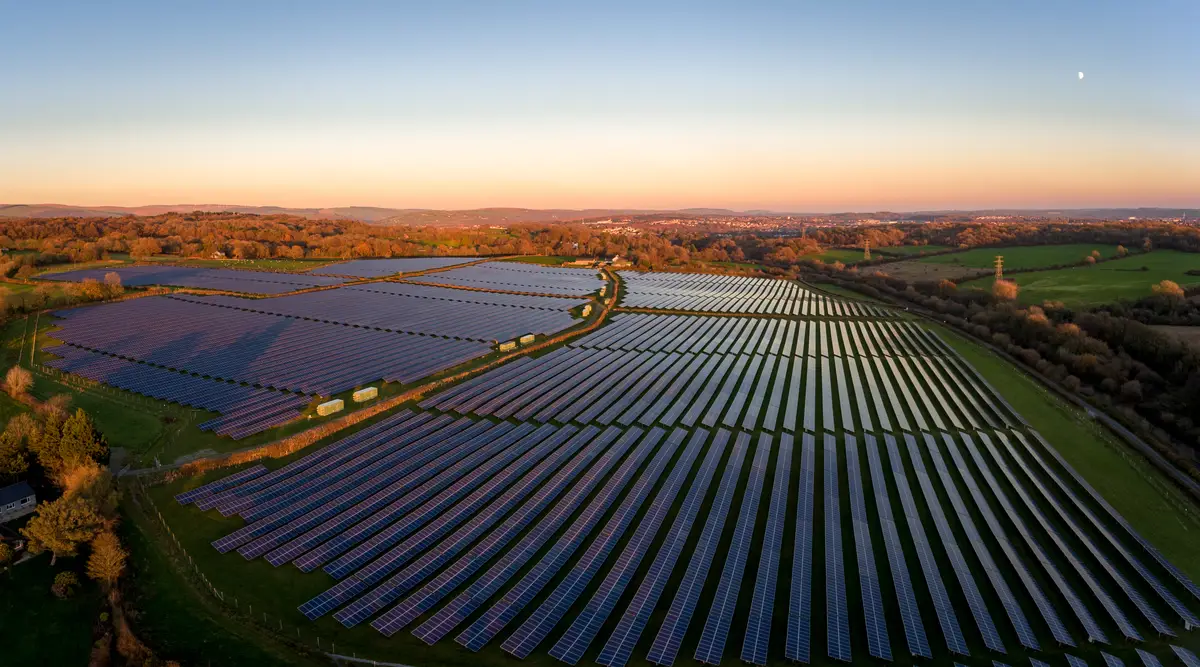
Of course, every tool has trade-offs. Sunate works in select states for now; broader coverage is in progress. But if your team covers New England, few tools match its specialization, and I’ve seen teams boost close rates by multiples after dialing in on the best leads.
2. Field-mapping and route-optimization apps
Several advanced mapping tools on the market help sales teams plan visits, track routes, and organize their day in tight territories, a must-have for time-pressed solar reps. These apps give you:
- Customizable territory boundaries overlaid on digital maps
- Mobile access for real-time rerouting or lead status updates
- Integration with GPS so reps see turn-by-turn navigation and traffic updates
- Support for assigning leads to reps or teams based on geographic zones
Some of these tools plug into your CRM or lead gen system, so as soon as a target pops up (say, a large south-facing roof in a key zip code), it’s visible to the right rep. I found these mapping-first applications especially useful for larger solar companies running several crews—territory splits, rep activity tracking, and analytics are all built in.
A couple challenges: detailed solar qualification data is not always integrated, so you may need to pair these with a solar database. Also, pricing models can range from simple monthly fees to per-user or per-territory costs. I always recommend teams prioritize usability and map accuracy over bells and whistles.
3. Lead generation platforms with solar data integration
Today’s winning solar teams need more than just contact info—they need to know if the property can handle an install, if the owner is likely to buy, and if the roof meets technical requirements. Some modern lead platforms now offer:
- Databases cross-referenced with property tax records, satellite imagery, and home utility data
- Filters to prioritize homes based on year built, roof type, or previous energy usage
- Batch export and API integrations with CRM or marketing tools
- Flagging of do-not-contact numbers or properties with known restrictions
The strongest lead tools for solar have started including solar opportunity scores, property snapshots, and even lists grouped by HOA or commercial property manager. In my research, mixing these lead sources with a mapping-first sales tool gives the fastest path from lead to appointment.
You can’t win the deal if you never talk to the right owner.
On the downside, you still need a system for field reporting, as many lead generation platforms focus on data, not activity tracking. Integration matters!
Looking for more detail on this process? I shared tips on the best lead generation approaches for solar.
4. Mobile CRM apps optimized for field sales
Strong pipeline management keeps deals moving. I’ve seen several mobile CRM apps adapt well to solar sales when they offer:
- Simple property and contact record creation directly from a map or phone
- Quick status updates (qualified, proposal sent, not a fit) with color coding
- Bulk actions for following up, sending reminders, or logging visits in the field
- Custom fields for solar-specific data: system size, utility provider, roof pitch
- Integration with cloud storage for contracts, photos, and install docs
What matters most here is ease of use: reps don’t want to scroll forever or tap through 10 screens in a driveway. Some tools also let managers assign and reassign leads on the fly—a real plus when your territory changes or a rep calls in sick.

Downsides? Sometimes the integrations with third-party solar data sources aren’t as deep. But the field CRM option can work well when combined with an expert solar data tool.
5. Door-to-door canvassing and outreach tools with solar filters
Canvassing can still drive massive opportunity in solar—especially where incentives are best or competition is heating up. Newer canvassing platforms now include:
- Digital scripts focused on solar FAQs, incentives, and objections
- Geo-tagged lead drop and revisit logging
- Immediate status updates: not home, interested, not qualified, follow-up scheduled
- Neighborhood heat maps to zero in on areas of adoption
- Language support for reaching diverse communities (a feature Sunate makes clear in its offer)
I especially value having preloaded solar market data for each neighborhood. For example, if a local incentive is about to expire or a major outage affected an area, teams can target messaging accordingly for maximum impact.
In my opinion, where these canvassing tools shine is in quick team assignments, live progress dashboards, and built-in door scheduling—so you hit each opportunity at just the right moment. Limitations may include smaller data sets in rural or rapidly changing neighborhoods, so pairing with up-to-date solar databases remains helpful.
6. Territory assignment and management platforms
When you run a team of reps or need to split up leads fast, territory management software comes to the rescue. The strongest platforms offer:
- Real-time territory drawing tools with map overlays
- Automatic balancing based on property value, solar suitability, or rep performance
- Instant reassignment of leads as team members shift or grow
- In-app notifications for new leads or tier upgrades in your area
Territory management platforms help solar companies scale faster by ensuring every rep works the highest-value turf with no overlap or missed opportunities.
I notice tight territory control can boost morale and sales velocity, since reps know exactly where to go and what to expect. Be aware, some platforms price by number of users or territories, so define your needed scope before signing up.

Sunate, for instance, puts special focus on mapping with solar-specific overlays, connecting assignment tools directly to vetted solar lead data. That kind of automatic intelligence cuts out hours of manual data crunching and makes scaling to new cities or counties much smoother.
Find more ideas for optimal territories in my write-up on smart sales mapping strategies for solar.
7. Automated pre-qualification and AI-driven sales aids
The hardest work for many solar teams is making sure a property is truly a good fit before the rep knocks or calls. AI-driven tools now include:
- Automated roof analysis from aerial or street-view imagery
- Pre-set qualification formulas (size, shade, owner type, HOA status, panel age)
- Instant fit/no-fit scoring with alerts sent to reps and managers
- Integration with sales enablement or CRM platforms for next steps
What I see as the future of solar sales: the moment a new lead hits the system, advanced AI and data instantly tell your team if this is a “yes,” “maybe,” or “no”—no more wasted appointments or disappointing design proposals.
Platforms like Sunate already embed much of this prequalification within the workflow, helping solar sales teams increase close rates and spend more time with the right prospects. However, if you build a workflow around another app, ensure it’s set up to auto-sync property intelligence, not just spit out generic lead lists.
Want to learn about the impact of advanced tools and automation in renewables? My post on AI in solar sales goes into more depth.
Comparing the top tools: pros and cons for solar field sales
After collecting feedback from sales leaders and reps, here’s how I’d summarize the trade-offs you might weigh:
- Solar-dedicated data platforms like Sunate: Unmatched accuracy for property targeting, easy territory workflows, potential for huge jump in close rates. However, might have limited initial coverage (focused on select regions).
- General mapping/route platforms: Vast territory support, flexible routing, but less solar-specific data and sometimes pricier for multi-user teams.
- Lead generation with property filters: Great for targeting, but you may need extra steps or tools for full field management or appointment setting.
- Mobile CRMs: Streamlined activity tracking, but solar-specific insights must be added through integrations.
- Canvassing and outreach platforms: Ideal for busy neighborhoods and high-volume outreach; only as strong as their data integrations.
- Territory management tools: Scale fast and keep teams happy, but require setup with solar-qualified data for best results.
- AI-driven prequalification: Ultimate for avoiding wasted time; still emerging, with variable data accuracy depending on region.
Conclusion: What’s next for solar field sales teams?
Solar sales is changing, and the best field teams don’t stand still. With demand growing (as seen in the latest installation numbers and the market’s acceleration), the right software choice determines how many roofs you reach—and how fast you reach them.
Better leads. Sharper targeting. Happier reps.
In my experience, switching to a platform built for solar, like Sunate, isn’t just about improving workflows. It’s about making every sales hour count, from the moment a rep steps onto the block.
If you’re ready to step up your lead quality, territory management, and property research, I recommend booking a 15-minute Sunate demo to see your territory mapped in real time. It could transform how your team works.
To see broader trends, tutorials, and sales strategy tips, you can visit Sunate’s solar energy learning hub—I always try to keep my best field-tested advice there.
Frequently asked questions
What are the top SalesRabbit alternatives?
The most recommended replacements for SalesRabbit in solar are solutions that offer territory mapping, lead pre-qualification, property intelligence, and strong CRM integrations built for solar sales. Platforms such as Sunate, mapping/route-planning tools, advanced lead generation services, mobile CRMs, canvassing platforms with solar data filters, territory management applications, and AI-based qualification aids all provide valuable features for solar teams seeking to save time and boost close rates.
How do SalesRabbit alternatives compare in price?
Pricing for alternatives to SalesRabbit varies widely. Mobile CRMs and mapping apps are often offered on a per-user basis, ranging from basic monthly subscriptions to volume discounts for teams. Solar-specific data platforms can have region-based or usage-based fees, but many provide clear pricing transparency upfront. Canvassing tools may have add-on modules for door tracking or scripting. In my experience, I encourage teams to prioritize coverage, data quality, and territory features over low initial price—since the real savings come from closing more qualified deals.
Which alternative is best for solar teams?
For teams focused on solar sales, a specialized solution like Sunate offers the best results by combining territory mapping with instant access to prequalified property data and owner contact info. Other options, like mapping and CRM tools, work well if connected to a solar data source. Ultimately, the right option depends on your region, sales process, and the complexity of your territory needs.
Are there free alternatives to SalesRabbit?
Some basic mapping, spreadsheet, and generic CRM apps may offer unpaid versions or trial periods. However, these generally lack integrated solar data, automated prequalification, or territory assignment features built for high-performance field sales. For teams committed to scaling, an investment in a dedicated solar sales solution such as Sunate produces much stronger return by reducing wasted effort and increasing closings.
How to choose the right SalesRabbit alternative?
When choosing, I recommend starting by defining the markets you serve—residential, commercial, or both—and mapping out your current biggest pain points (property targeting, territory management, lead pre-qualification, CRM integration, etc.). Test each tool with your actual sales process, not just a demo scenario. If property data and opportunity scoring are priorities, focus on platforms with built-in solar intelligence like Sunate. Always compare usability, regional coverage, support, and whether the software fits your pace and goals.