If you’ve ever spent weeks nurturing a homeowner lead only to discover that their roof was shaded, outdated, or structurally unsuited for panels, you know how exhausting and sometimes demoralizing the process can be. In my experience working with sales teams across Massachusetts, Rhode Island, and Connecticut, the difference between chasing dead ends and closing deals often comes down to one thing—smart data. The explosion of AI-powered tools and platforms like Sunate has changed how solar professionals operate. I want to share what I’ve seen, learned, and tested about transforming solar prospecting, qualification, and sales through data-driven decisions and automation.
Why traditional solar sales often feel slow and wasteful
Before smart data was at our fingertips, solar lead generation was messy. Local reps drove hours to tour properties, estimated eligibility using basic Google Maps, and sifted through lists that were, frankly, full of poor prospects. I remember feeling the frustration of walking up to a beautiful home and realizing too late that a slate roof, mature trees, or a tricky HOA would kill the deal. Multiply that time by your entire team, and you’ve got a drain on resources that cuts into morale and revenue.
Even the best-intentioned salespeople tend to waste site visits on homes with little to no solar potential if they don’t have clear, accurate data upfront. If your conversion rates are hovering around 1-2%, or pre-qualification is inconsistent, you’re not alone. Most teams face systemic barriers including:
- Outdated or incomplete property data
- Manual research on energy usage and ownership
- No real insight into roof age, shading, or pitch
- Lack of an integrated approach to pre-qualification
- Difficulty reaching diverse homeowner segments
I believe transforming solar sales begins by focusing less on sheer lead volume and more on lead quality. That comes down to smart, actionable data layered with local knowledge.
How property and energy data can change your approach
Access to detailed property data lets you pre-screen leads so you stop guessing and start targeting only houses with true solar potential.
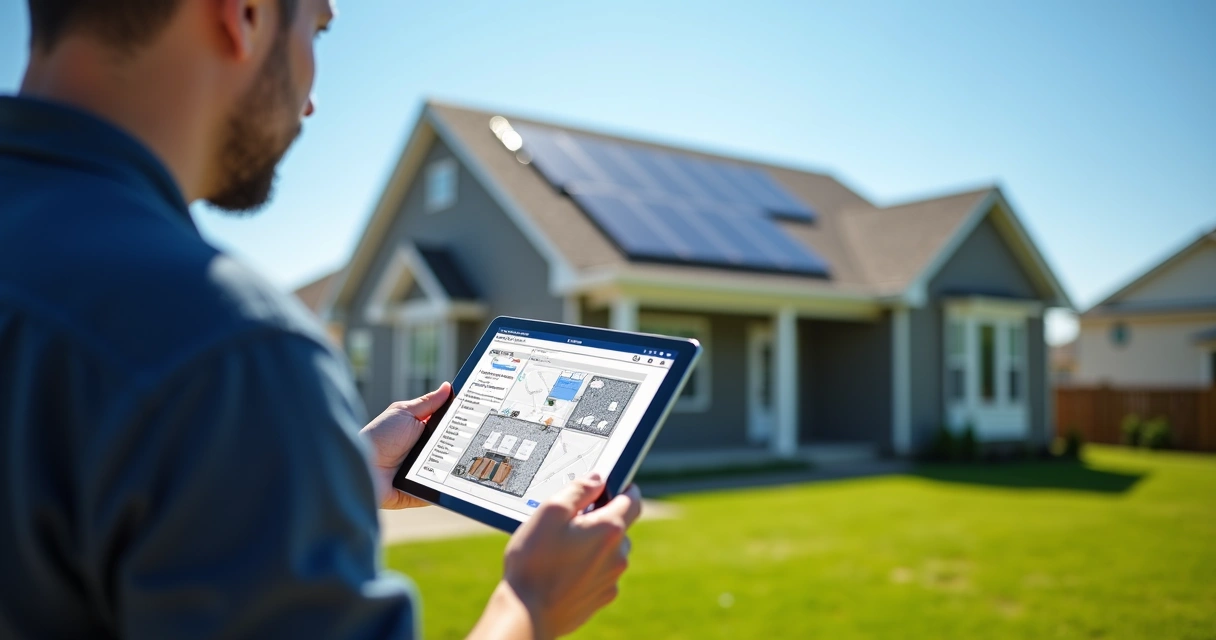
In my research, the best results come from combining several types of information for each property:
- Roof condition and material: Is it suitable for panels, or due for an upgrade?
- Shading and orientation: Are there trees, neighboring buildings, or angles that limit sun hours?
- Recent utility bills and energy usage estimates
- Homeowner profile: Owner vs. renter, language preference, likelihood of financing eligibility
- Local incentive and utility territory: Makes a huge difference in MA vs. CT, for example
Years ago, gathering that data took hours for each home. Now, with platforms like Sunate and robust property data tools, I’ve seen teams surface this information in seconds—before a single email or phone call goes out. That means sales time and effort goes only towards highly qualified prospects.
Focus on houses most likely to say yes.
Why roof assessments matter more than ever
Homeowners are bombarded with solar pitches these days. In my view, sending reps into the field blind is risky. A detailed roof assessment done remotely helps avoid disappointment for both sides and builds trust from the start. If you can show a prospective client that you understand their home’s specifics, you earn credibility long before the first handshake.
Modern tools can estimate roof age, check for recent repairs or replacements, and model shade patterns down to the month. This is especially valuable in places like Rhode Island where tree coverage and older housing stock can be unpredictable. I always recommend integrating roof data with your CRM or calling scripts—it increases first meeting conversions because you’re speaking from a place of authority.
Understanding homeowner fit: Not every roof is the right roof
It might sound obvious, but not every home is ready for solar, and not every homeowner is ready either. The sooner you identify who’s likely to move forward and who isn’t, the higher your close rate and the lower your cost per sale. In my experience, smart data helps with this in several ways:
- Ownership data: Knowing the property owner lets you skip renters and absentee landlords.
- Credit and financing likelihood: Pre-qualify candidates based on stated or inferred financial criteria.
- Demographics and communication style: Offering information in the preferred language is key in multicultural communities.
- Key motivators: Are they interested in saving money, energy independence, or environmental impact?
It’s easy to fall into the trap of “blast and hope”—sending the same generic pitch to every address in a ZIP code. But just as in any sales field, personalization wins. I’ve seen teams using Sunate achieve up to four times more conversions by focusing only on high-fit homeowners who matched their ideal client profiles.
Pre-qualification tools: Speed up your process and reduce site visits
Pre-qualification tools act as a time-saving filter for your sales team, allowing you to focus only on homes and people with realistic solar potential.

In my work with solar teams, I noticed that wasted hours on poor leads not only eats up your calendar but hurts morale. Automated pre-qualification changes everything. Here are a few ways it improves the residential solar sales process:
- Instant answers: Know right away if a prospect meets minimum requirements.
- Automated follow-up: Nudge qualified leads while filtering out the rest.
- Reporting and tracking: See which marketing channels bring in the best prospects, not just the most noise.
One manager I spoke with told me, “We saw site visits cut in half and closing rates double when we finally automated pre-qualification. Our sales team felt like they were actually selling, not just guessing.”
Multilingual outreach: Why it matters
The Northeast, especially in the Boston area and parts of Connecticut, is incredibly diverse. Multilingual outreach tools built into your sales platform ensure you connect with more homeowners on their terms. In my opinion, nothing signals respect and professionalism more than showing up in someone’s inbox or on their phone in their language of choice.
- Build trust faster: Homeowners are more likely to respond to information that feels familiar and accessible.
- Expand your reach: Don’t limit your territory by language barriers.
- Improve close rate: Remove friction by addressing misunderstandings before they derail the conversation.
When I implemented these tools for a Providence-based team, their appointment-setting rate jumped nearly 60% in neighborhoods with large Spanish- and Portuguese-speaking populations.
Step-by-step: How to streamline your residential solar sales process
I’ve seen the following steps deliver real results for both small and large solar teams. Streamlining isn’t about cutting corners— it’s about focusing on the work that matters. Here’s exactly how I recommend doing it in today’s market:
- Start with a real property database, not a recycled list. Use data sources that show current roof photos, updated owner info, and energy usage patterns. This makes your first point of contact far more effective.
- Score and segment your leads automatically. Let the system flag properties with new roofs, prime sun exposure, and high energy bills. Rank homeowners by likelihood of interest based on past conversion data and demographics.
- Pre-qualify before first contact. Set clear criteria—roof age, shade score, owner-occupancy, income estimates—so your reps talk only to likely candidates.
- Personalize outreach using language and motivators. Rather than a single pitch, match your scripts and content to what the homeowner cares about most.
- Book virtual consultations first. Save travel for the most promising leads, using video demos and remote site assessments.
- Bring data into your proposal. Show actual savings, ROI, and local incentives based on each property, using images and reports sourced from your data tool.
- Measure and adjust. Look at which channels, neighborhoods, and property types are closing best, and let your data platform shape next month’s campaigns.
If you’re interested in how built-in sales intelligence can change your results, check out more insights from the Sales Intelligence category on my blog. These actionable steps consistently deliver better conversions and happier customers for teams who implement them.
Volume vs. targeted solar lead generation: What works best?
Solar teams have historically believed that more leads means more deals. In my experience, that’s rarely true. A volume-based approach often overwhelms your salespeople and reduces the quality of each interaction. What actually closes contracts—and keeps your acquisition costs down—is targeted, data-driven prospecting.

I’ve compared the two models in practice:
- Volume model: Purchase a giant list, cold call or canvas door-to-door, low close rate, lots of wasted time.
- Targeted model: Use property and energy data to identify high-fit properties, contact only those with clear solar potential, high close rate per site visit.
The numbers tell the story. Teams using data to target their approach consistently close deals at rates up to four times higher, according to reports I’ve seen from Sunate. More importantly, customer satisfaction rises because every interaction is relevant.
Case story: Massachusetts suburbs lead transformation
A mid-sized company I advised in the Boston suburbs was struggling with a 2% close rate on leads from generic mailing lists. We switched their approach: used local property data to screen for south-facing roofs, owner occupancy, and above-average energy usage. Outreach was customized, with language preferences factored in using Sunate’s outreach tools. In their first quarter, close rates jumped to 8%, and average sales cycle time fell from 90 to 40 days.
Targeted data leads to happier salespeople and more satisfied homeowners.
Local market differences: Why granularity matters in MA, RI, and CT
I often say no two solar territories are quite alike. In my years advising teams across the Northeast, I’ve learned that local market granularity provides an edge that generic lists and scripts simply can’t. Here’s what stands out in each state:
Massachusetts
- Old, dense housing, especially in Greater Boston—many homes have slate or complex roofs but excellent solar incentives.
- Lots of mature trees, so shade mapping is a must.
- Many communities have language diversity—Boston has thriving Chinese, Portuguese, and Haitian populations.
Rhode Island
- Older population, smaller lots, mix of single familes and duplexes.
- Varied shading from trees, with some historic districts requiring extra steps for visible panel approvals.
- Strong outreach to multicultural and multigenerational families is important, especially in Providence and Pawtucket.
Connecticut
- More spread out: suburban and rural, with plenty of space and often larger roofs.
- Local incentives can be confusing for homeowners, so clear financial illustrations help conversions.
- Energy bills usually higher, increasing ROI for the right properties.
For each market, I never suggest using the same script or the same list. Instead, tools like Sunate let your team segment by location, property type, utility district, and demographic variables—addressing local nuance from the start. The results speak for themselves: higher conversions, fewer cancellations, and a reputation for expertise.
Real-world examples: Data-driven sales in action
Nothing makes an idea real quite like seeing the numbers play out. Here are a few quick stories from my own consulting work and reports I’ve seen from the Sunate user network:
Story 1: The right roof at the right time
A sales rep in New Haven was frustrated by a string of rejections, mainly because he visited roofs with too much shade or outdated materials. After switching to data-driven targeting, he pinpointed homes with both recently replaced roofs and wide sun exposure. In his first two weeks using this approach, he scheduled six virtual consultations, attended three in-person visits, and closed two sales—equal to his prior month’s results in a fraction of the time.
Smart data stopped the guesswork and doubled his conversions.
Story 2: Multilingual outreach makes the difference
A team in Worcester was leaving too many Spanish- and Portuguese-speaking homeowners out of their campaigns. By integrating multilingual automation, they boosted response rates by nearly 60%, leading directly to three additional closed deals in one month—more than enough to pay for the investment in outreach tools. As one rep put it, “Now every household in our market hears from us, not just the ones who already speak English.”
Story 3: Cost drops, close rates climb
A small Rhode Island installer used Sunate’s pre-qualification to cut the sales team’s average monthly site visits from 70 to 35. At the same time, their win rate grew from 1-in-20 to nearly 1-in-5—more deals from fewer visits, driving both revenue and team morale.
For those who want a deeper dive into topics like AI, data and automation in renewable energy, I always recommend reading more at the Artificial Intelligence section as well as following the latest developments in solar energy trends.

Building your own data-driven sales funnel
Transitioning from gut-feel prospecting to a streamlined, data-powered funnel can sound overwhelming, but I’ve walked dozens of teams through the process. Here’s how to build a system that drives results and scales with your growth:
- Integrate your lead sources: Feed your CRM or sales platform directly with detailed property, roof, and energy data. Make sure every salesperson starts their day with qualified, up-to-date leads.
- Automate your segmentation: Let the system group properties by solar potential, financing compatibility, and communication preference.
- Enrich your outreach: Use virtual assessments, personalized reports, and multilingual messaging to reach more homeowners effectively and respectfully.
- Measure results and refine: Build dashboards to track conversion rates, time-to-close, and which data variables predict wins. Adjust your filters and outreach accordingly.
Repeated experience shows: Teams willing to trust good data close faster and experience less burnout. They also establish better relationships by showing homeowners exactly how and why their property is a good solar fit—backed by facts, not vague promises.
Practical tips: Getting started with smart data for residential solar sales
Maybe you’re excited to accelerate your residential solar sales, but wondering where to begin. I’ve had the best success with teams who follow these practical steps:
- Audit your current process: How do you generate, score, and engage leads? Where does information fall through the cracks?
- Pilot a data-driven tool or service: Try using Sunate, for example, in a single market or segment. Track close rates, site visit reductions, and sales cycles for a month.
- Train your team: Make sure salespeople know how to read roof maps, energy usage data, and communication profiles. The more they trust the data, the more natural their outreach becomes.
- Create feedback loops: Solicit input from the field—do they feel the leads are truly better? What additional data would help their conversations?
- Double down where it works: As your win rates climb and wasted visits fall, scale up your smart data solution across new territories and teams.
For more actionable tips and trends in this space, check in regularly at my lead generation knowledge base—I keep it stocked with fresh case studies and step-by-step guides.
The impact of automation and artificial intelligence on solar sales
There’s no question that automation and AI are transforming solar prospecting and closing. AI-powered platforms like Sunate not only gather and organize massive volumes of property data but also surface actionable insights for sales professionals. In my experience, even small teams benefit from:
- Automated property scoring: Immediate feedback on which homes are solar-ready.
- Auto-filled proposals and savings reports: Save hours per deal and improve professionalism.
- Language adaption and tone matching: Connect better with homeowners of all backgrounds.
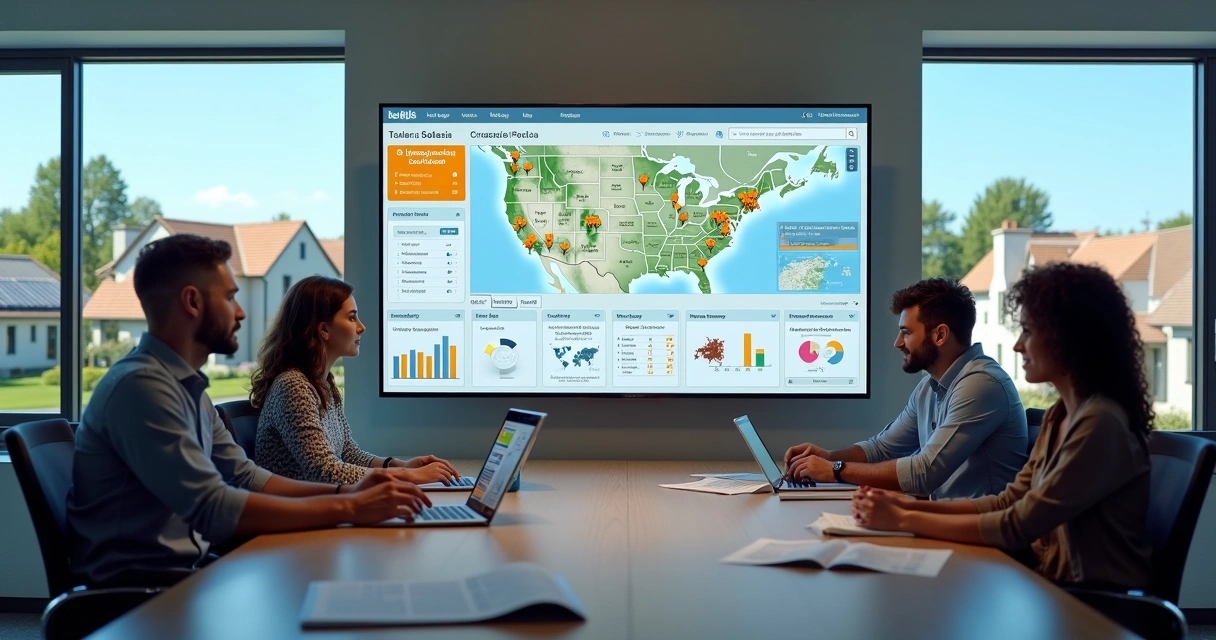
- Performance tracking dashboards: Understand at a glance where your best opportunities lie.
This doesn’t replace the human touch, but it does elevate it. When your reps spend less time sifting through unqualified addresses, they have more bandwidth to focus on high-value interactions and to close deals faster. In the ever-competitive Northeast, every edge counts.

Conclusion: The future belongs to solar sales teams who trust smart data
From my decades working with solar companies, I’ve seen a clear pattern: those who prioritize information, automate what can be automated, and connect with homeowners on their terms consistently outperform their peers. If you want to accelerate your residential solar sales and stop wasting energy on leads with little chance of converting, the answer lies in smart data and intelligent automation.
Whether your market is greater Boston, the varied neighborhoods of Providence, or the spread-out communities of Connecticut, the ground rules are the same: Start with property intelligence, pre-qualify thoughtfully, reach out deliberately, and measure every outcome. The tools now exist to transform your process—and platforms like Sunate put those actionable insights into your hands within seconds.
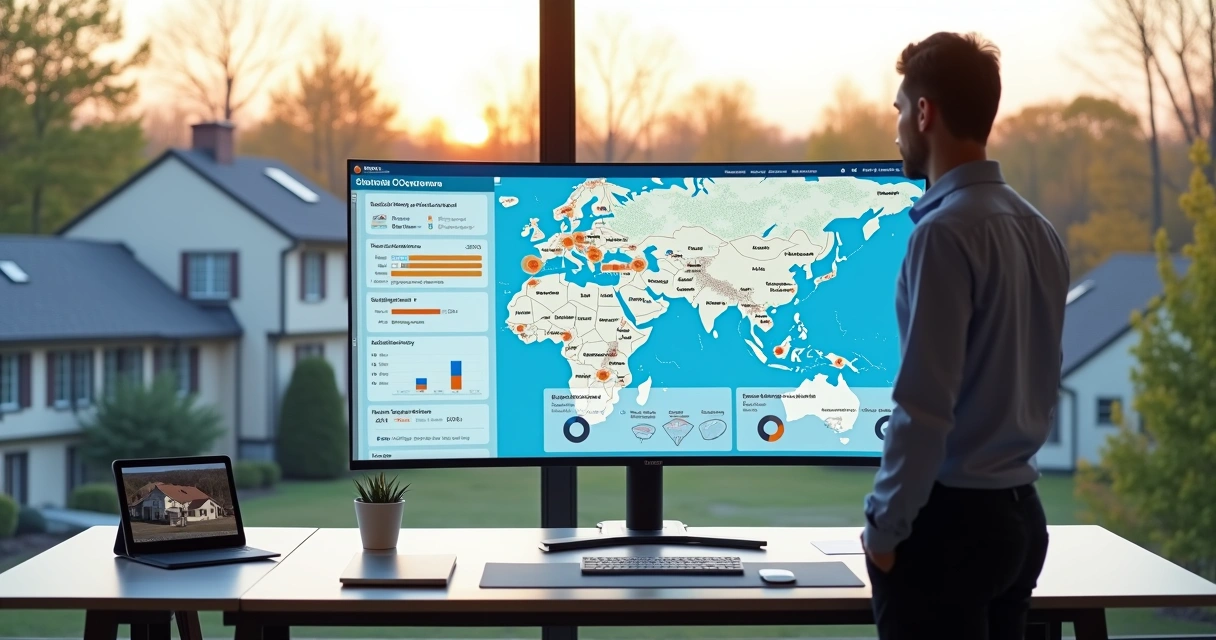
If you’re serious about growing your solar business by working smarter—not just harder—now is the time to consider how data and automation can set your team apart. I suggest booking a short demo or exploring more of my in-depth content to see firsthand how you could map the best opportunities in your market in real time. The sun doesn’t wait, and neither should your sales team.
Frequently asked questions
What is smart data in solar sales?
Smart data in solar sales means using property, roof, and homeowner information—collected and interpreted with the help of automation and AI—to identify and target the best prospects for solar energy systems. This approach goes beyond basic lists, enabling your team to focus on properties and people who are most likely to benefit from and say yes to solar. The data includes details like roof material, shading analysis, homeownership status, energy usage, and demographic factors.
How does data improve solar lead quality?
When your sales team chases leads with no background info, time and effort are often wasted. Data improves solar lead quality by filtering out homes and homeowners unlikely to qualify or be interested so that you spend time only on high-fit opportunities. This means better use of resources, higher conversion rates, and a smoother experience for every homeowner approached.
Where to find reliable solar market data?
In my work, I rely on specialized tools and platforms dedicated to the solar industry—such as Sunate—that gather updated property, utility, and demographic data for specific regions like Massachusetts, Rhode Island, and Connecticut. You can also use local government open data sources, utility databases, and validated property records, but a focused sales intelligence solution usually delivers the fastest, most actionable results for residential solar sales.
Is data-driven selling worth it for solar?
Yes, I’ve repeatedly seen teams who trust data-driven selling enjoy more deals, less time wasted, and lower customer acquisition costs. When you pre-qualify opportunities and automate manual research, your reps can focus on actual selling. The close rates and morale improvements are immediate and significant, making data-driven sales well worth the change.
How can I use analytics to boost sales?
The best way is to begin by tracking your existing process—number of leads called, site visits made, deals closed, and their sources. Then, layer in analytics that highlight your best-performing neighborhoods, communication styles, and demographic segments. If your analytics show that south-facing roofs in Massachusetts suburbs convert best, aim your next campaign there. Continuous improvement is the real secret—let your sales analytics tell you what works and what doesn’t, then adjust accordingly.