When I first looked at the solar industry’s growth numbers, I saw not just panels rising on rooftops but a huge opportunity—and an undeniable challenge. Solar sales teams juggle complex data, unpredictable appointments, and clients who want personalized attention (and answers, fast). If you’re still working off spreadsheets, or patching together general-purpose tools, you probably feel the friction.
A solar CRM is more than a contact list—it's your sales team’s control center.
What sets solar customer management platforms apart is their power to unlock high-impact sales outcomes. They aren’t just for tracking who to call next. The best ones help solar teams see which roofs, homes, and businesses are ready for solar, manage proposals instantly, and move deals through every step without missing a beat.
Today, I will share the seven features I find most important in a solar-focused CRM—and why each one matters. I’ll mention Sunate as a real-world example of how these features translate into results, and I’ll give practical pointers for choosing the right solution for your company’s unique needs. Whether you’re selling to homes in Massachusetts or commercial buildings in Connecticut, these are the building blocks for a smarter sales process.
What makes a solar-focused CRM different?
In my experience, solar sales is about timing, targeting, and trust. Most CRMs, no matter how popular, just don’t fit our world—too generic, too manual, missing the data that solar deals demand. That’s where a dedicated platform can make sales teams a force.
A specialized CRM brings in solar-specific data points, from panel eligibility to utility rates and property fit. It supports on-the-go reps who need to see territory maps or property details from their phone. It speeds up proposals and lets you focus on high-probability leads, not dead ends.
- Centralized property and lead data (think: roof size, sun exposure, owner info)
- Integration with energy usage databases and permitting sources
- Automated workflows for quoting, pre-qualification, and appointment setting
- Built-in outreach tools for multiple languages or regions
With that foundation in mind, here’s what I believe every high-performing solar CRM should offer.
1. Smart lead management and targeting
Not all leads are worth the same effort. I’ve spoken to sales reps who spent hours driving to the wrong houses—bad roofs, uninterested owners, or no budget. The strongest platforms, including Sunate, help you filter and sort leads by real solar potential before outreach begins.
- Access to detailed property databases—roof age, shading, surface type, energy consumption
- Territory and map-based targeting (see lead generation best practices for solar)
- Scoring methods for ranking opportunities (based on size, propensity, or fit)
In Massachusetts, Rhode Island, and Connecticut, where Sunate provides instant access to 4M+ properties, this means fewer wasted trips—and a sales pipeline full of real opportunities.
2. End-to-end project and deal tracking
Deals don’t live in spreadsheets. I’ve watched deals fall apart because one document was missing, or communication broke down just before the contract was signed.
What I look for is a platform that lets you follow every step: lead, qualification, quote, site assessment, permit, install, and post-sale support. With color-coded status, alerts, and team notes, nothing slips through.
- Visual deal pipelines and project timelines to spot bottlenecks
- Central record for all contact history, tasks, and updates
- Easy access for any member (field, office, or remote)
This is a massive advantage for growing teams or those with overlapping territories.
3. Fast, clear proposal generation and e-signatures
I remember the days of duct-taping together PDFs, photos, and financial tables just to give a simple quote. Not efficient—and definitely not impressive for the customer.
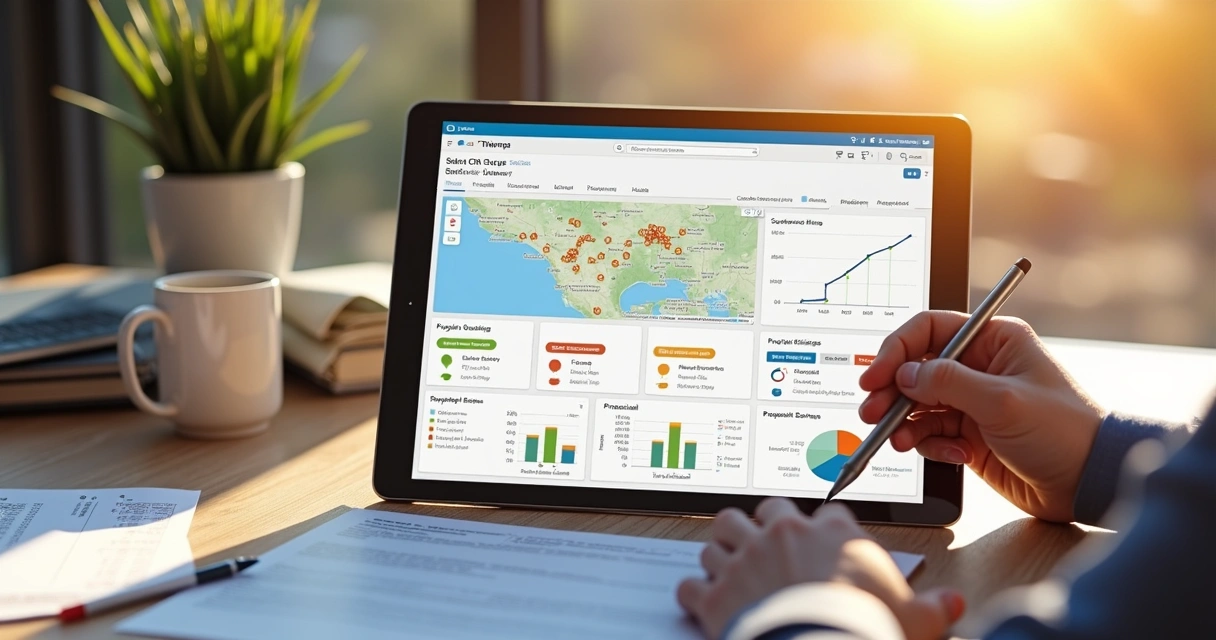
A modern solar CRM pulls property data and real-time pricing to build custom proposals in seconds. You can switch between residential and commercial templates, include financing, and share via email or SMS.
- Instant, professional documents for client review
- Digital signatures and auto-tracking of proposal status
- Automatic logging for compliance and record-keeping
When proposals are fast and personalized, close rates go up and customer frustration goes down.
4. Automated workflows to save time
No sales rep should waste hours on copy-pasting reminders or tedious admin. Automated workflows—like those in Sunate—keep operations running even while your team focuses on building trust with prospects.
- Assignment rules to route leads to the right territory or skill set
- Automated reminders for follow-ups, contract renewals, and site visits
- Trigger tasks based on stage changes (such as a new quote request or permit approval)
Every streamlined process means more time for selling, less for chasing paperwork.
5. Real-time analytics and reporting
If you can’t measure it, you can’t improve it. I see teams stuck because they have no visibility—what’s closing, what’s stalling, or which rep is excelling?
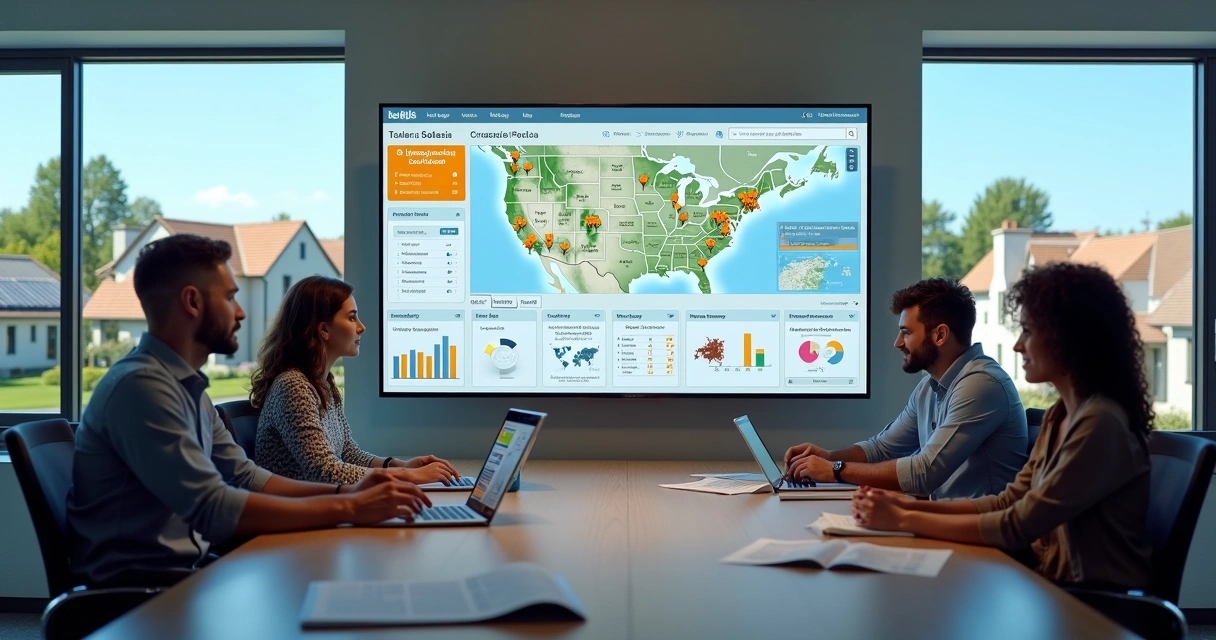
- Dashboards showing sales, revenue, close rates, and segment trends
- Custom reports filtered by team, product, or territory
- Forecasting tools to project next month’s installs or revenue
Monitoring sales data can help spot trends early, reassign resources, and set realistic targets. The adoption of solar is accelerating globally, as Portugal’s rapid shift to renewables demonstrates—there’s more opportunity, but also more competition for the best deals.
6. Multilingual and multichannel outreach
Solar doesn’t only sell in one language or to one homeowner type. In areas with diverse populations, winning teams must reach out in the client’s preferred language, including Spanish, Portuguese, or others.
- Email, SMS, and phone outreach from inside the platform
- Templates and scripts in multiple languages
- Automatic translation of key communications
A CRM with built-in multilingual support breaks barriers and broadens your market. Sunate, for example, empowers teams to serve both residential and commercial sectors—even in multicultural neighborhoods.
7. Seamless integration and centralized documentation
No team works in a bubble. The solar CRM should connect with finance, permitting, utility databases, and marketing tools. This enables the clean flow of data and avoids double entry.
- APIs (for syncing with external systems)
- Document storage for permits, photos, and warranties
- Mobile access for field reps working onsite
A platform that combines all documents, data, and communication in one place prevents things from falling through the cracks—and makes handoffs between sales, installation, and support much smoother.

How to choose the right solar CRM
Every company is different, but a few tips from my experience can keep you on the right path:
- Check for territory coverage—are your key states, like Massachusetts or Connecticut, included in the database?
- Review if you sell more residential or commercial projects, and see if templates fit your use case
- Test how well the pre-qualification feature works (Sunate’s AI-powered screening is a standout here)
- Ask about integrations with your other tech: utility pricing, permitting, marketing, and finance tools
- Look for real-time analytics and clear dashboards
- Calculate the time it takes to produce a proposal, from lead to doc sent
For more on picking smart digital tools for solar, you can find advice and reviews in the sales intelligence section of our blog.
Residential and commercial: Different details, same foundation
Residential solar sales demand quick outreach, accurate quoting, and adaptability as homeowners compare bids. Commercial deals, on the other hand, require detailed site analysis, long timelines, and robust document tracking. Both rely on targeted leads, automation, and analytics.
A single, specialized sales platform (like Sunate) is flexible enough to serve both, thanks to customizable workflows and templates.
Conclusion: Start selling solar smarter, not harder
The solar sector is moving fast. Growth, policy changes, and new incentives open up big opportunities, but getting them means rethinking the way we sell—starting with smarter tools. Choosing a solar-tailored CRM will save time, increase win rates, and make every rep’s day less stressful.
The next high-impact sale starts with the right platform—and finishes with a signature, not a headache.
If you want to see how Sunate maps your top solar opportunities in real time, book a 15-minute demo and discover how a focused CRM can drive 4x more sales in your territory.
Frequently asked questions
What is a solar CRM?
A solar CRM (customer relationship management platform) is software built to help solar companies organize, track, and manage customer data, sales activities, and project information through every stage of the sales process. It centralizes property details, lead info, communications, proposals, and installation tracking so sales teams can work more efficiently and win more deals.
What features should a solar CRM have?
Essential features include lead management (with property and energy data), project and pipeline tracking, automated proposal generation, workflow automation tools, analytics and reporting dashboards, multilingual communication support, and integrations with other business systems like permitting, finance, and marketing.
How does a solar CRM help sales?
A purpose-built CRM for the solar industry removes manual data entry and guesswork from lead targeting, appointment scheduling, quoting, and follow-up. It helps reps find high-potential leads, speeds up proposal generation, and ensures steady progress through the pipeline, so sales cycles are shorter and close rates higher.
Is a solar CRM worth the investment?
In my opinion, yes—especially as the industry becomes more competitive and clients expect fast, personalized service. By automating background tasks, reducing mistakes, and unlocking market insights, a quality CRM can multiply both speed and win rates. I’ve seen teams using Sunate increase their sales by up to four times.
What are the top solar CRM platforms?
While there are various options on the market, I focus on dedicated solutions tailored to the solar industry. Sunate is built specifically for solar teams in Massachusetts, Rhode Island, and Connecticut, giving instant access to millions of properties with built-in pre-qualification, outreach, and analytics features. For more detailed use cases and best practices, explore resources like this expert guide on CRM for solar and tips for speeding up solar sales.